Porsche Riverside
8423 Indiana Ave. Riverside, CA 92504
Overview-

Performance 
Appearance
Comfort
Safety & Warranty
Specs-

More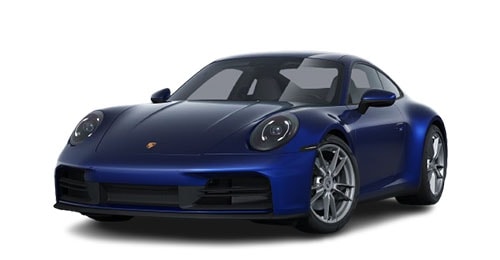 2027 911 Carrera
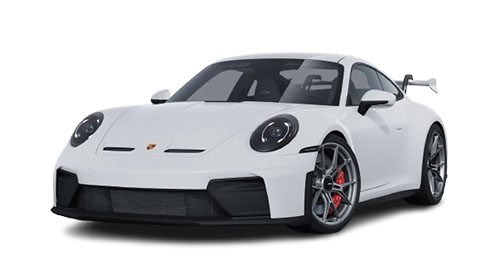 2027 911 GT3
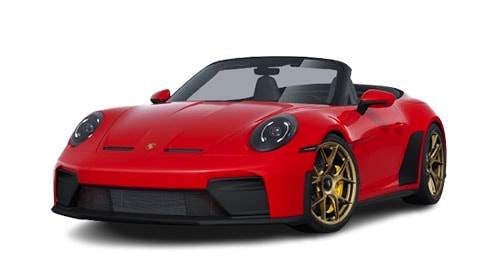 2027 911 GT3 SC
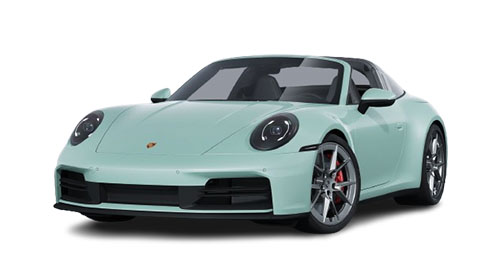 2027 911 Targa
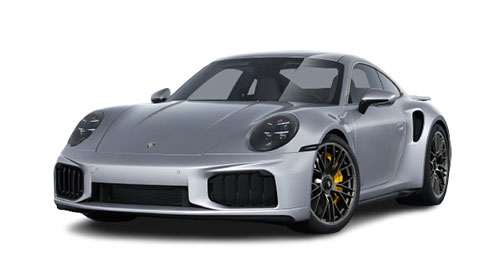 2027 911 Turbo S
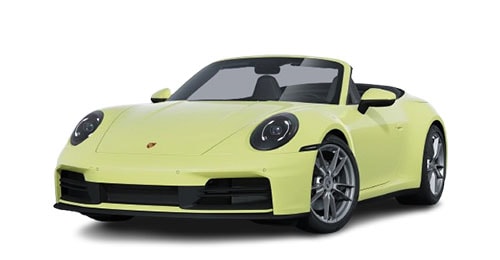 2027 911 Carrera Cabriolet
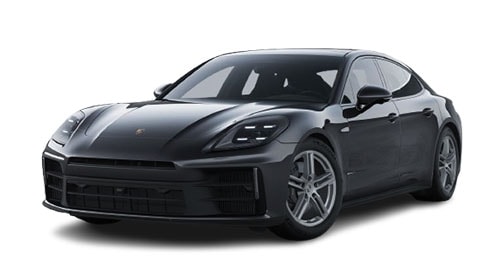 2027 Panamera
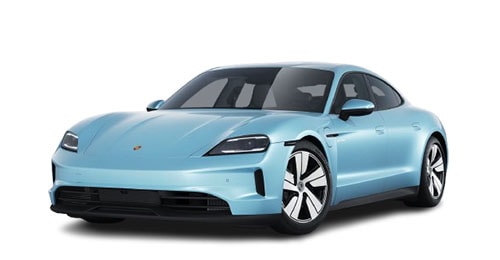 2027 Taycan
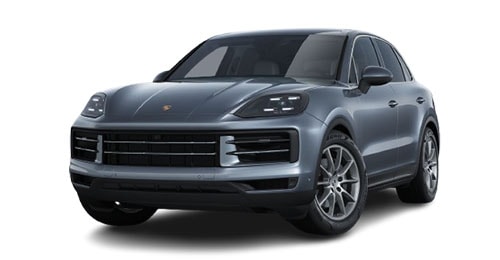 2027 Cayenne
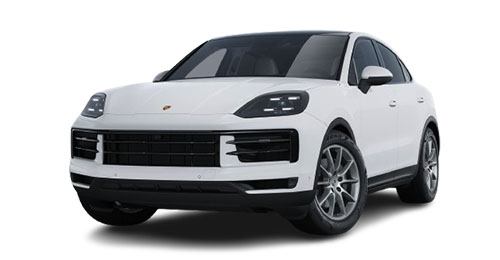 2027 Cayenne Coupe
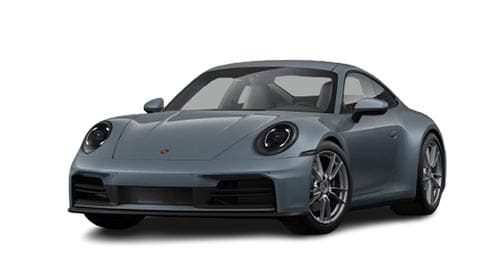 2026 911 Carrera
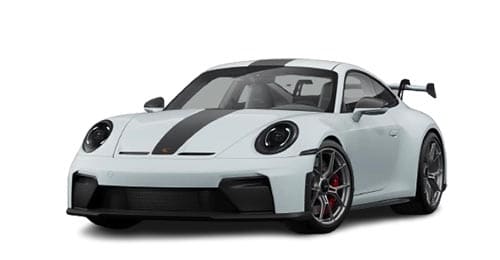 2026 911 GT3
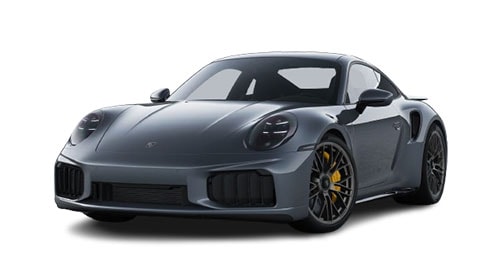 2026 911 Turbo S
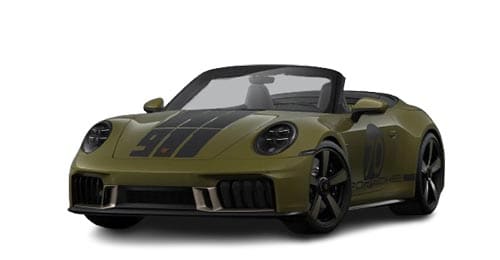 2026 911 Spirit 70
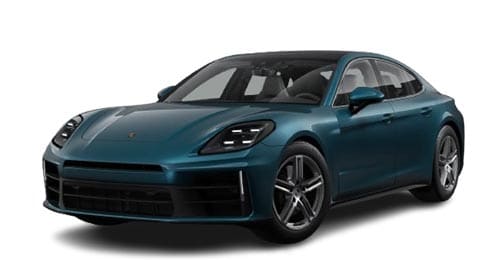 2026 Panamera
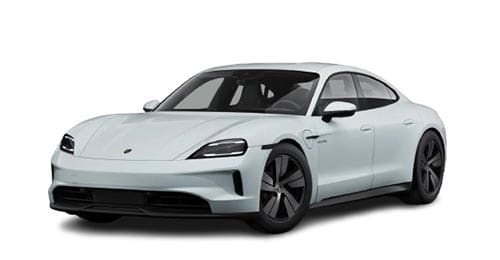 2026 Taycan
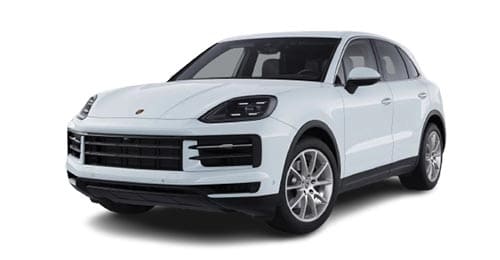 2026 Cayenne
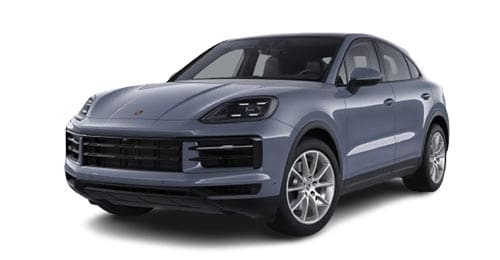 2026 Cayenne Coupe
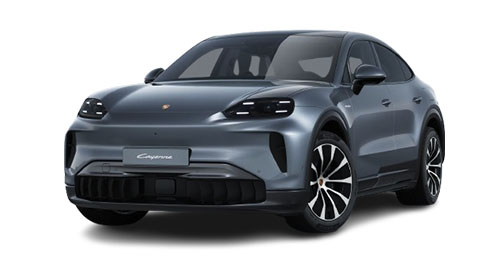 2026 Cayenne Coupe Electric
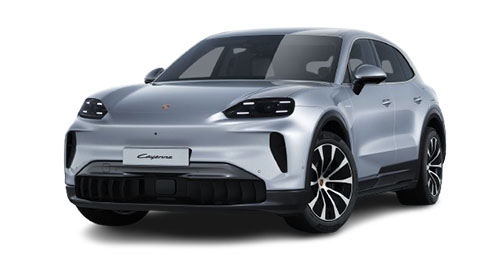 2026 Cayenne Electric
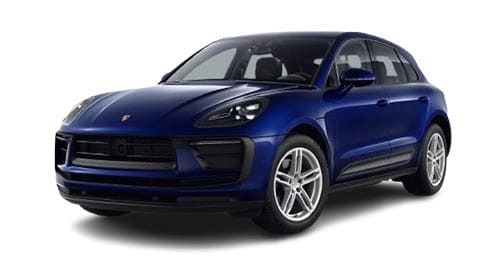 2026 Macan
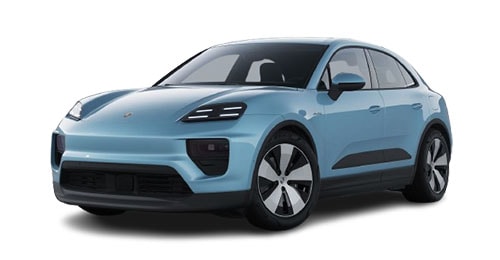 2026 Macan Electric
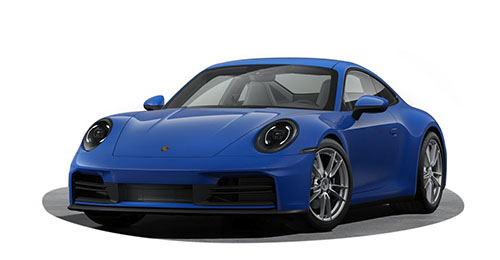 2025 911 Carrera
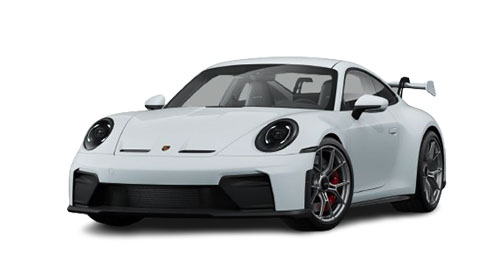 2025 911 GT3
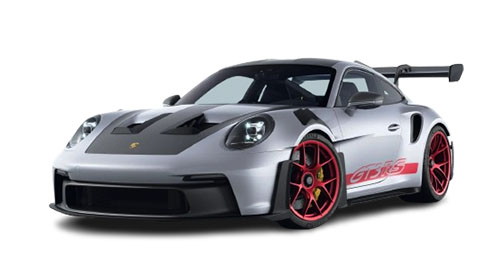 2025 911 GT3 RS
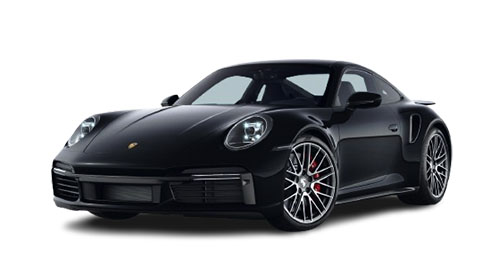 2025 911 Turbo
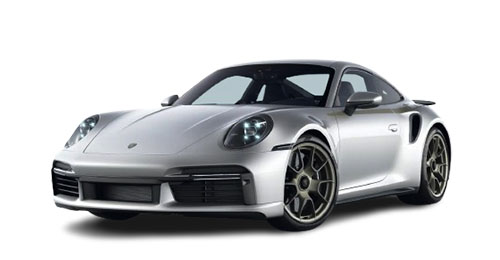 2025 911 Turbo 50 Years
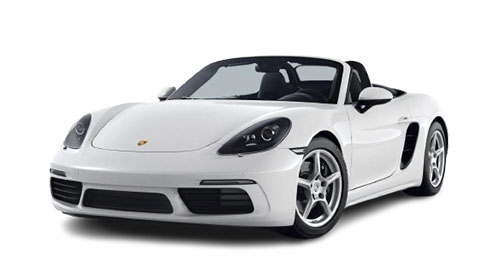 2025 718 Boxster
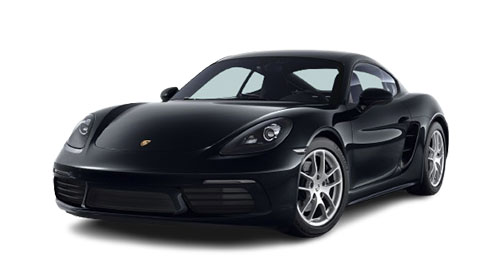 2025 718 Cayman
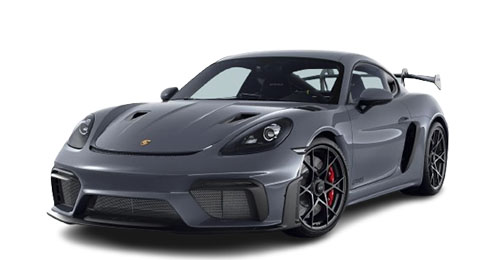 2025 718 Cayman GT4 RS
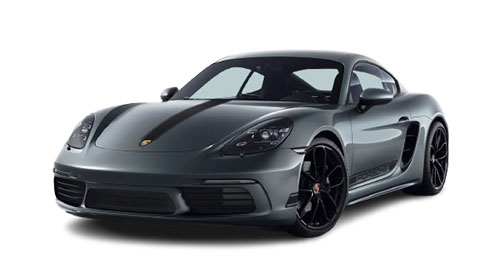 2025 718 Cayman Style Edition
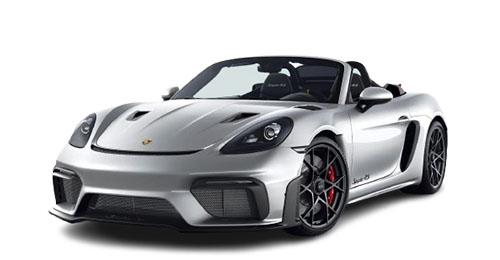 2025 718 Spyder RS
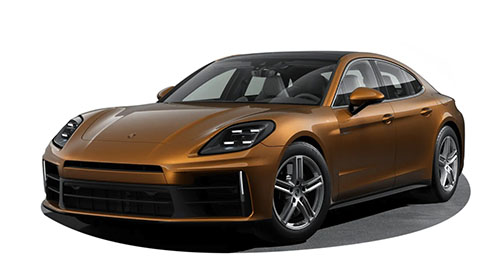 2025 Panamera
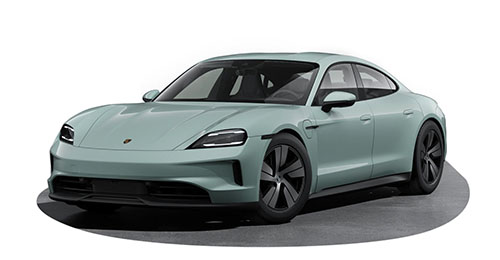 2025 Taycan
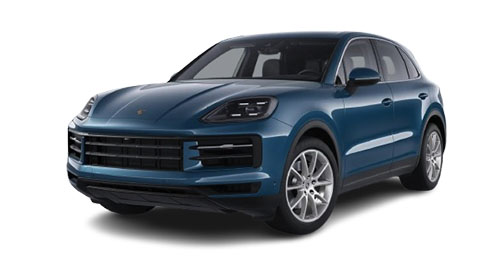 2025 Cayenne
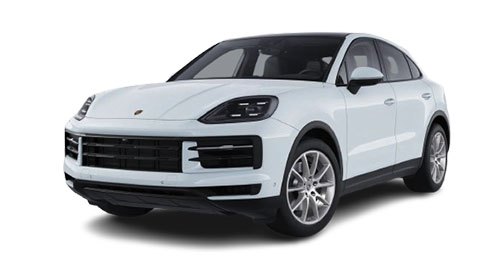 2025 Cayenne Coupe
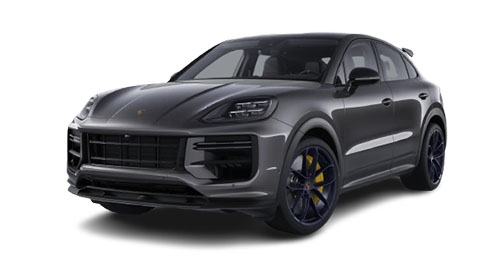 2025 Cayenne Turbo GT
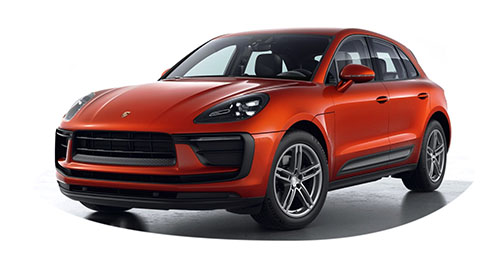 2025 Macan
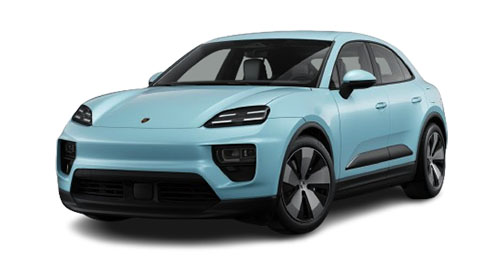 2025 Macan Electric
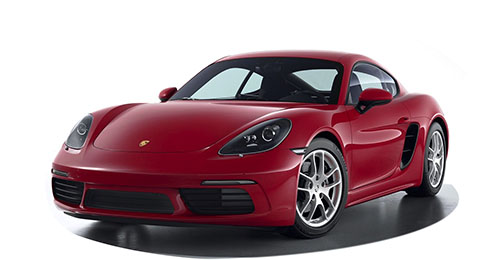 2024 718 Cayman
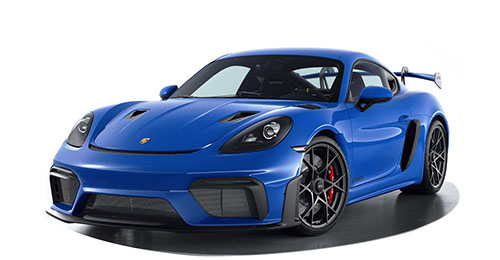 2024 718 Cayman GT4 RS
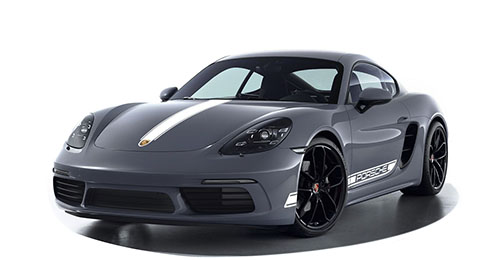 2024 718 Cayman Style Edition
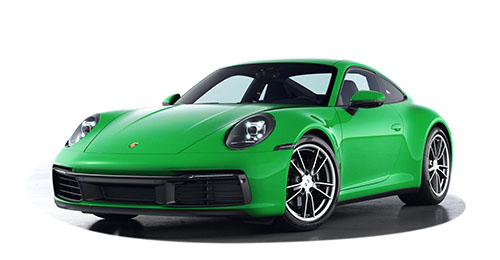 2024 911 Carrera
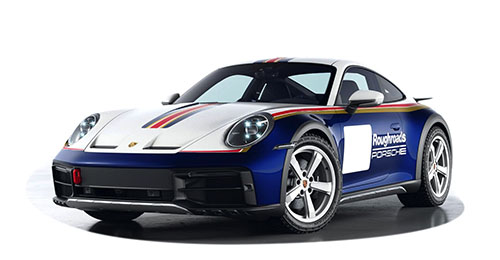 2024 911 Dakar
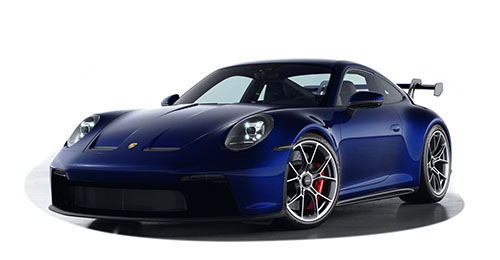 2024 911 GT3
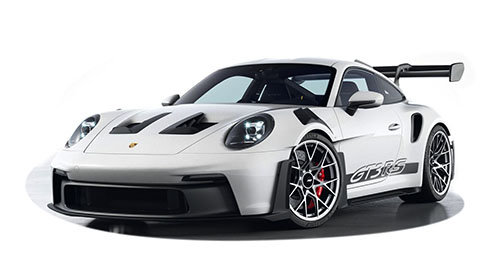 2024 911 GT3 RS
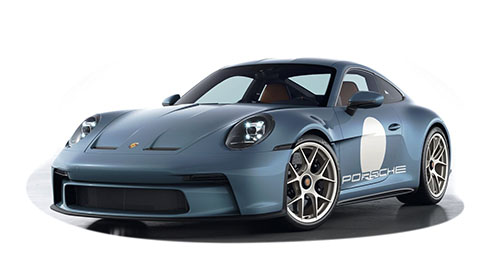 2024 911 ST
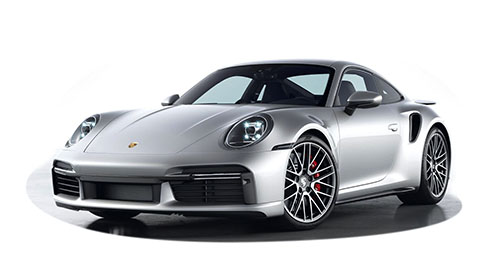 2024 911 Turbo
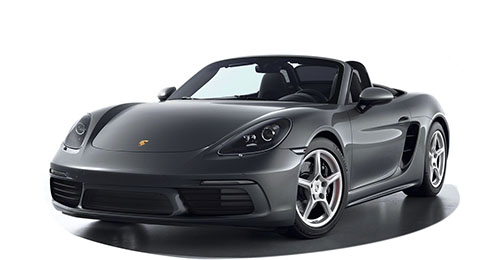 2024 718 Boxster
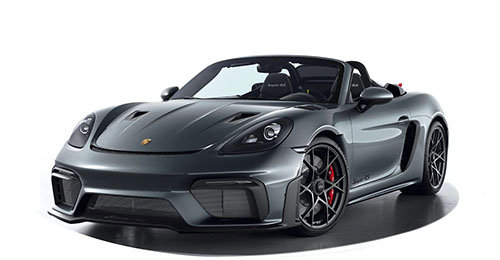 2024 718 Spyder RS
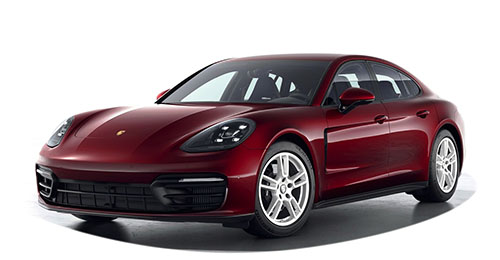 2024 Panamera
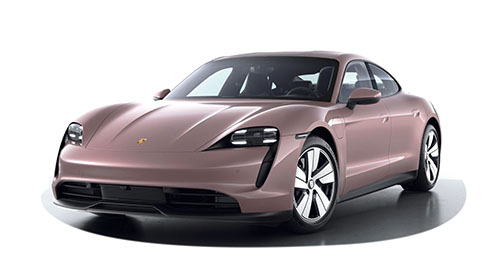 2024 Taycan
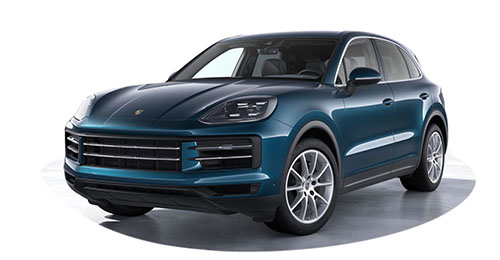 2024 Cayenne
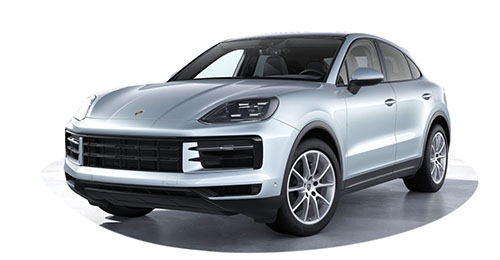 2024 Cayenne Coupe
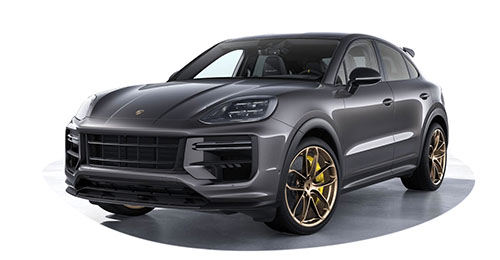 2024 Cayenne Turbo GT
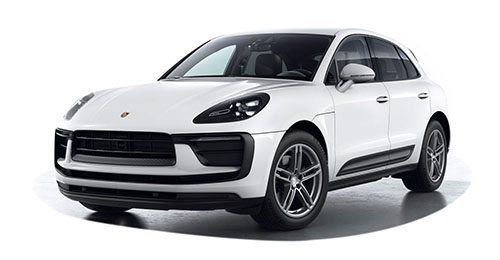 2024 Macan
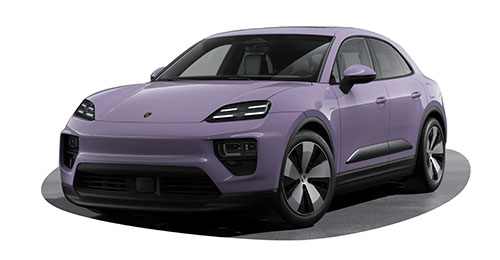 2024 Macan Electric
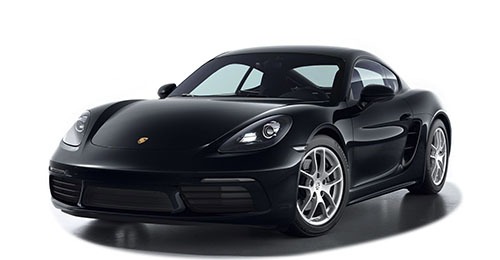 2023 718 Cayman
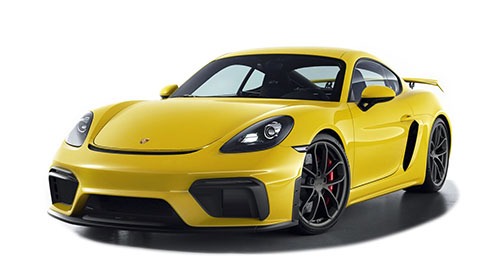 2023 718 Cayman GT4
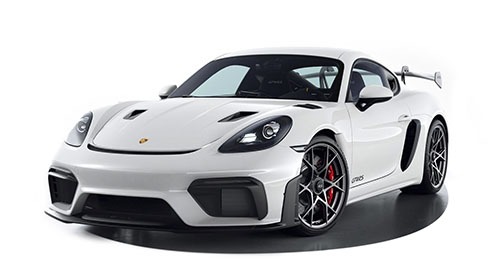 2023 718 Cayman GT4 RS
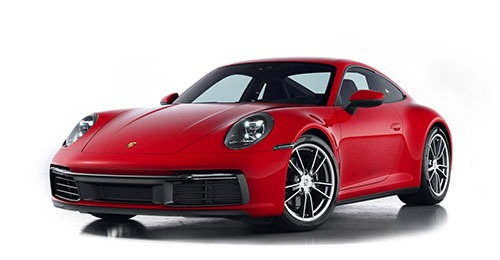 2023 911 Carrera
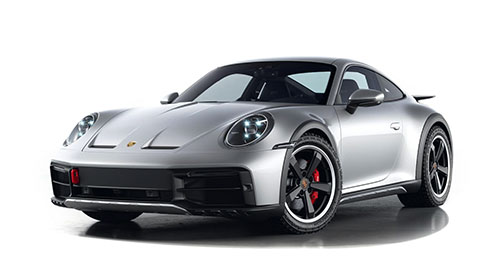 2023 911 Dakar
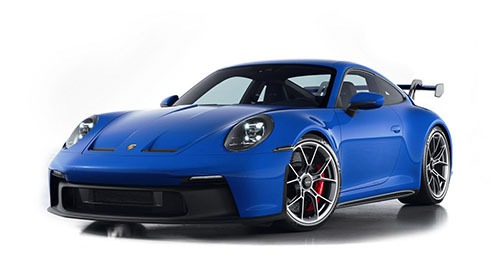 2023 911 GT3
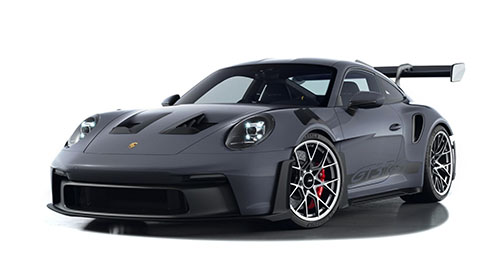 2023 911 GT3 RS
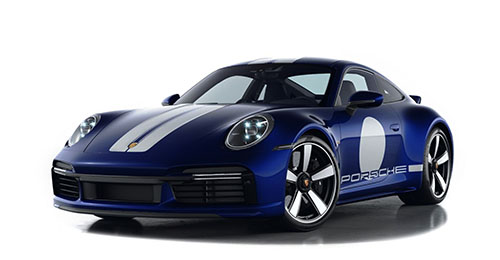 2023 911 Sport Classic
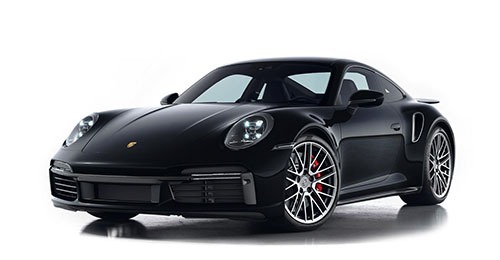 2023 911 Turbo
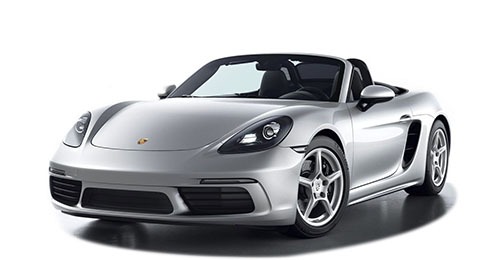 2023 718 Boxster
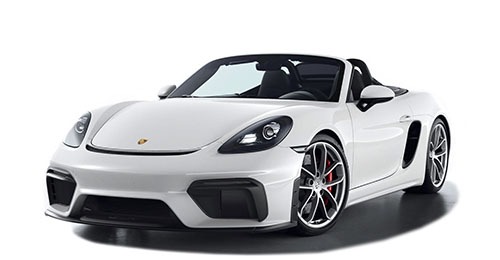 2023 718 Spyder
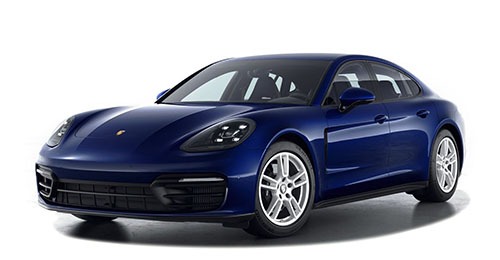 2023 Panamera
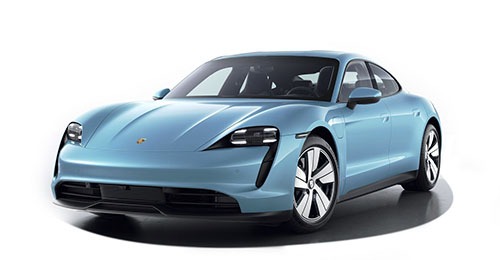 2023 Taycan
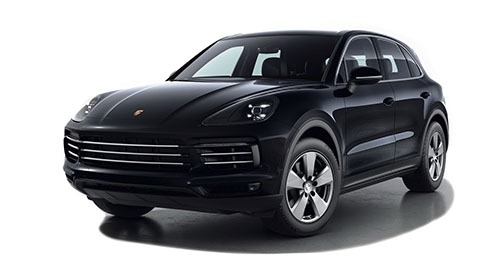 2023 Cayenne
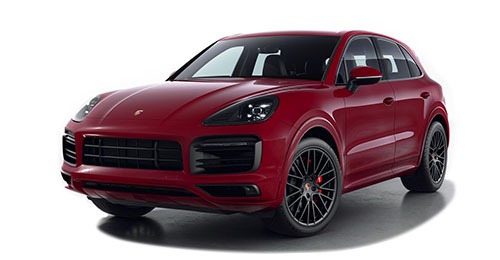 2023 Cayenne GTS
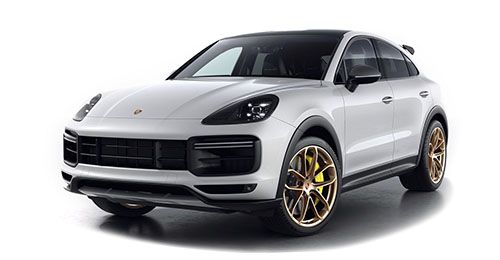 2023 Cayenne Turbo GT
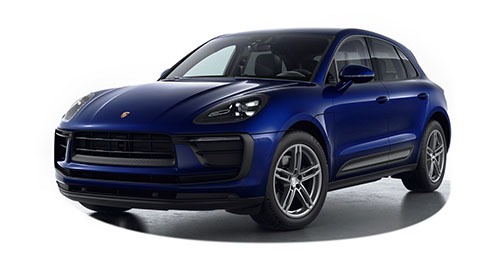 2023 Macan
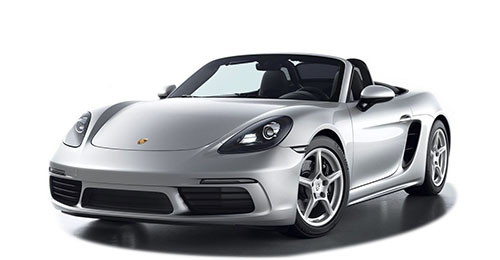 2022 718 Boxster
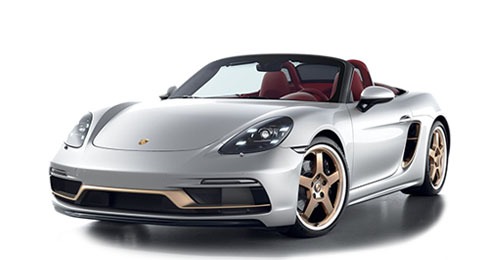 2022 718 Boxster 25 Years
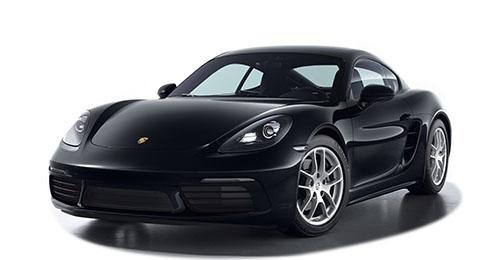 2022 718 Cayman
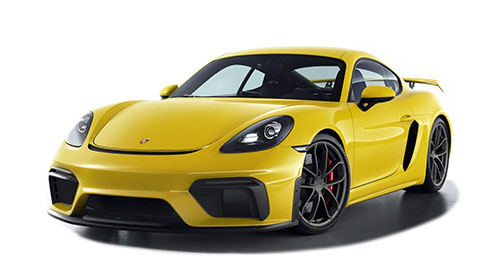 2022 718 Cayman GT4
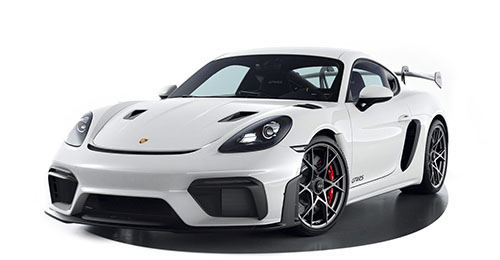 2022 718 Cayman GT4 RS
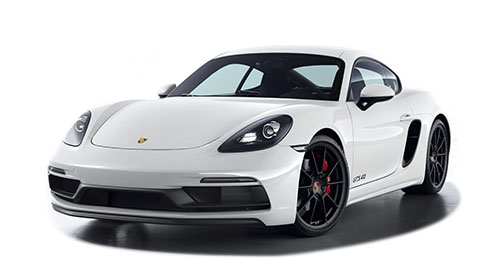 2022 718 GTS 4.0
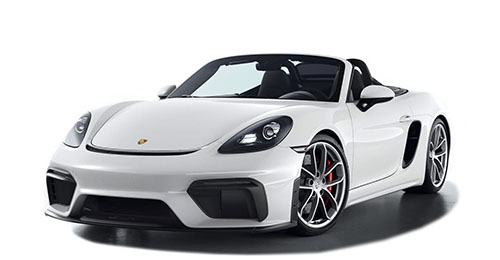 2022 718 Spyder
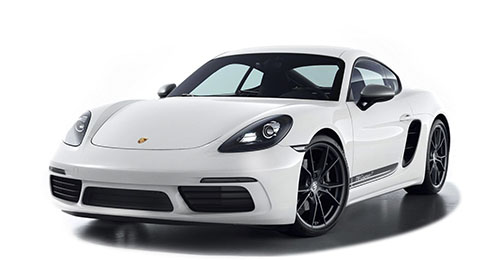 2022 718 T
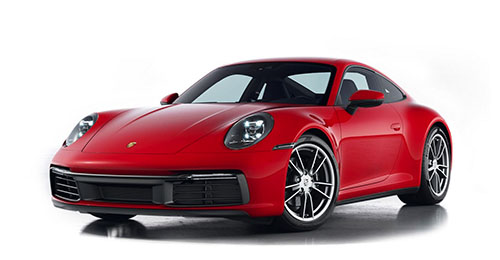 2022 911
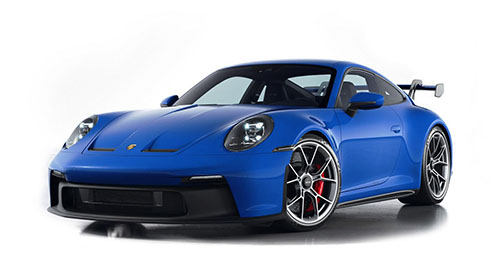 2022 911 GT3
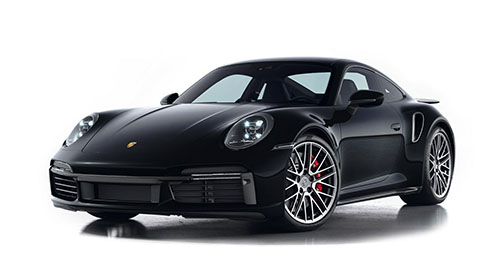 2022 911 Turbo
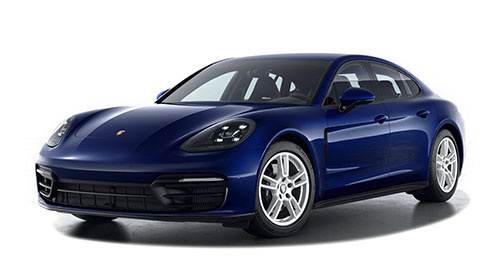 2022 Panamera
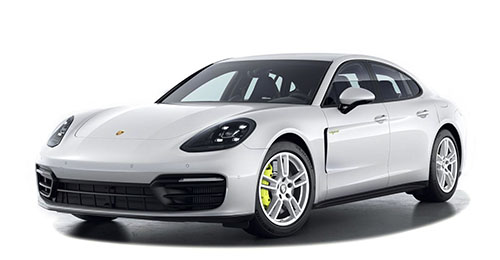 2022 Panamera E-Hybrid
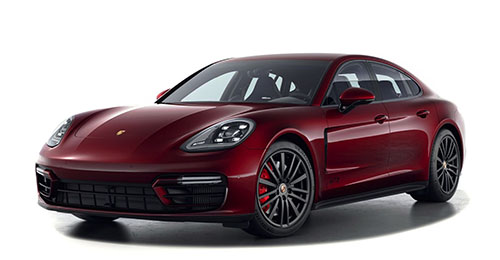 2022 Panamera GTS
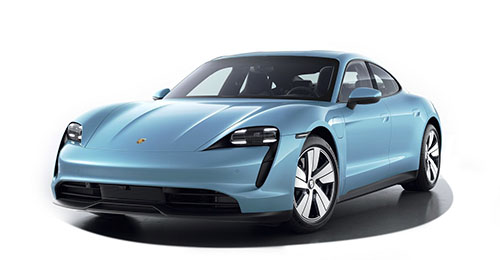 2022 Taycan
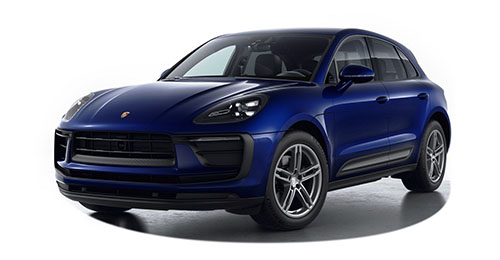 2022 Macan
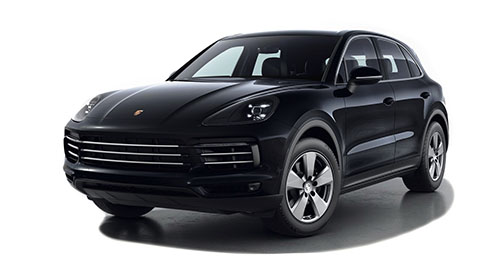 2022 Cayenne
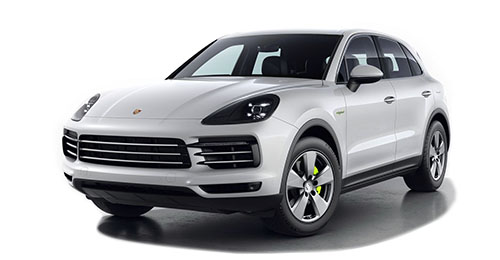 2022 Cayenne E-Hybrid
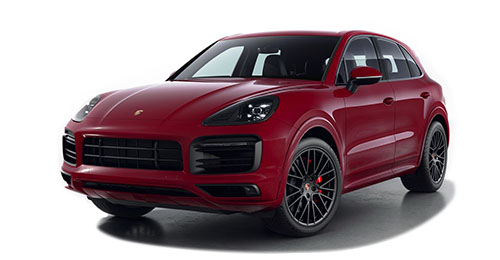 2022 Cayenne GTS
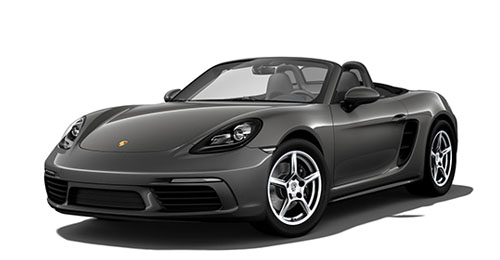 2021 718 Boxster
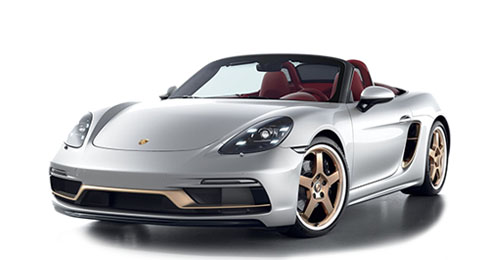 2021 718 Boxster 25 Years
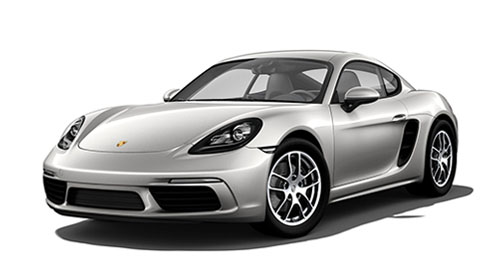 2021 718 Cayman
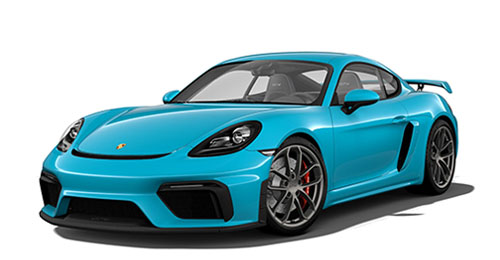 2021 718 Cayman GT4
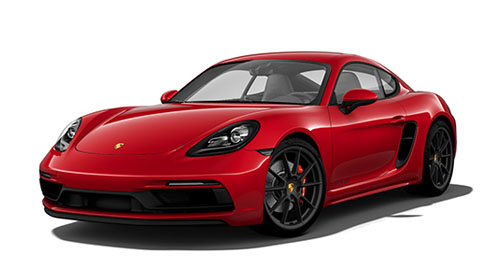 2021 718 GTS 4.0
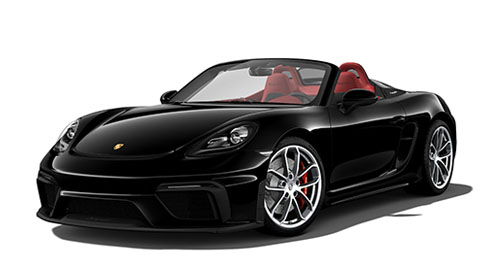 2021 718 Spyder
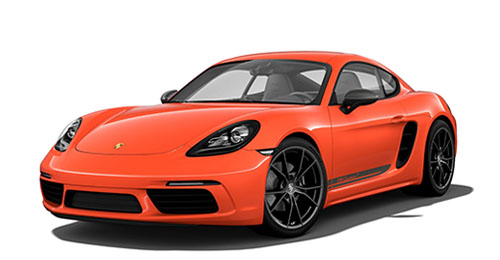 2021 718 T
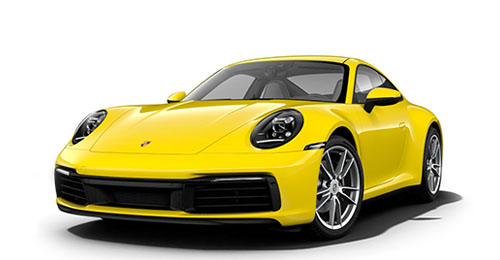 2021 911
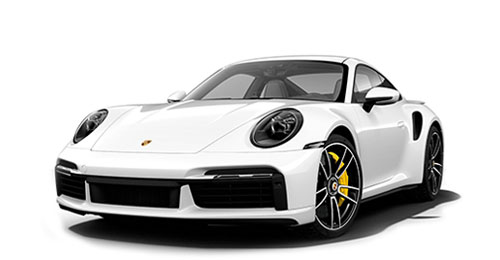 2021 911 Turbo
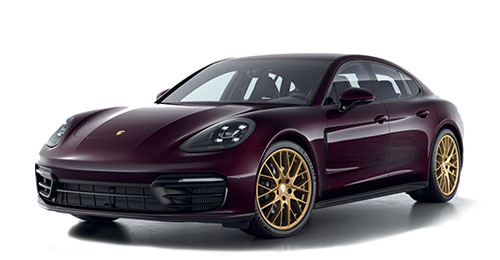 2021 Panamera
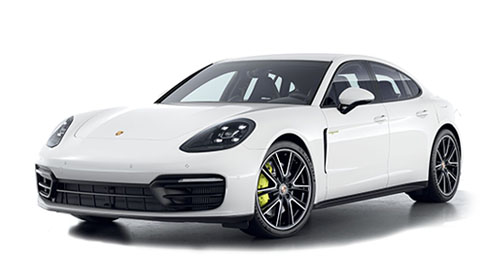 2021 Panamera E-Hybrid
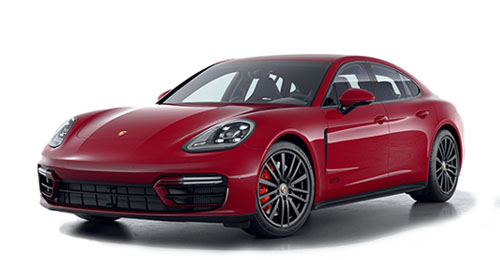 2021 Panamera GTS
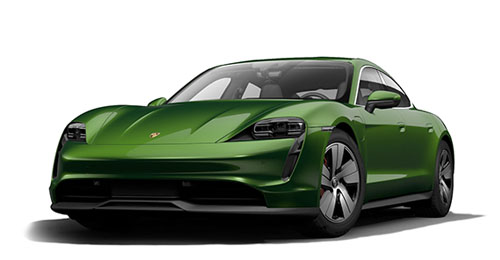 2021 Taycan
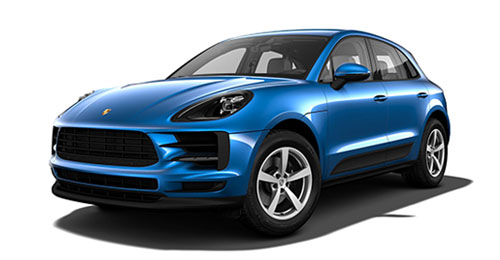 2021 Macan
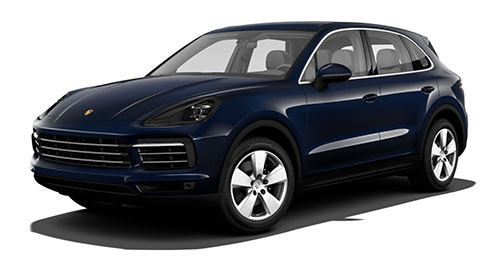 2021 Cayenne
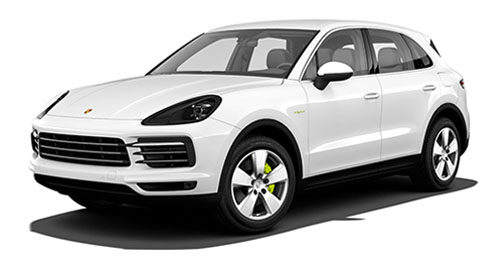 2021 Cayenne E-Hybrid
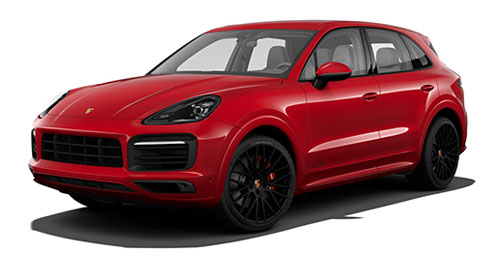 2021 Cayenne GTS
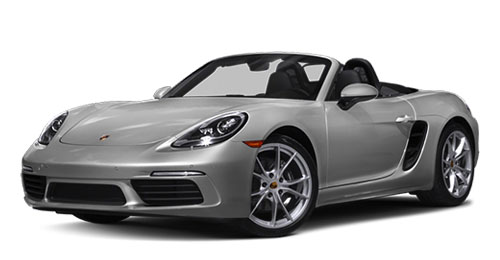 2020 718 Boxster
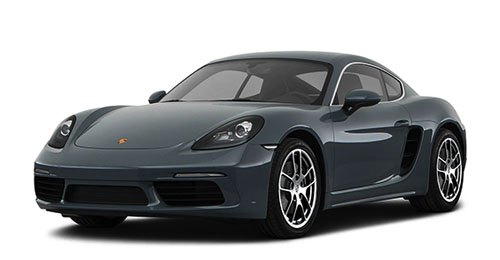 2020 718 Cayman
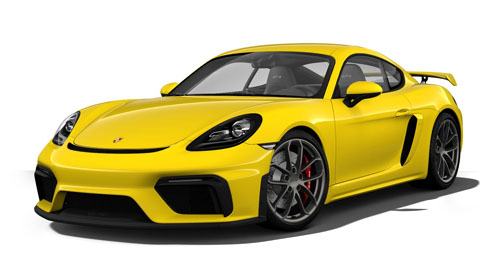 2020 718 Cayman GT4
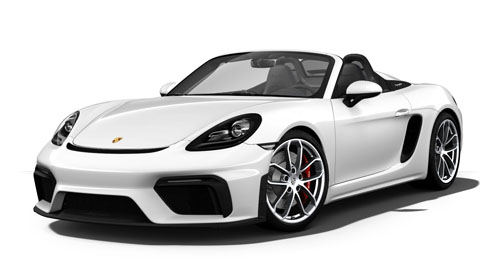 2020 718 Spyder
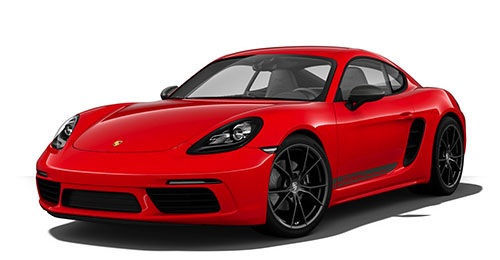 2020 718 T
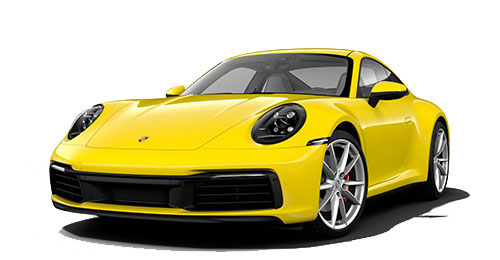 2020 911 Carrera
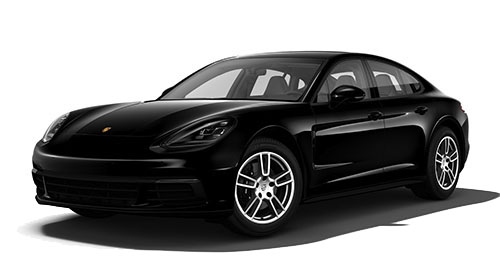 2020 Panamera
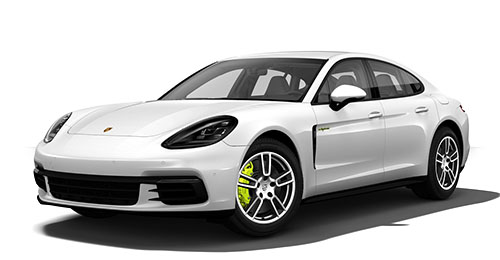 2020 Panamera E-Hybrid
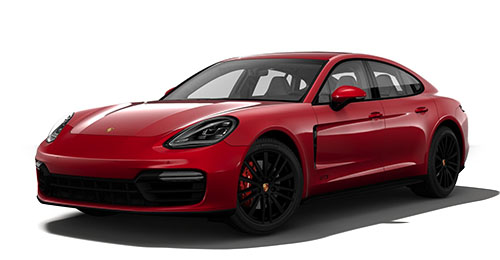 2020 Panamera GTS
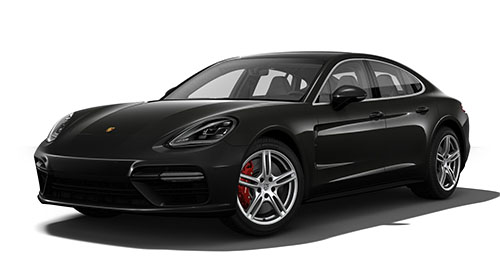 2020 Panamera Turbo
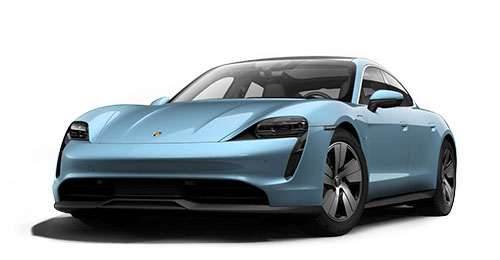 2020 Taycan
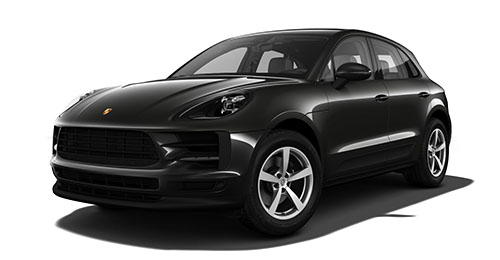 2020 Macan
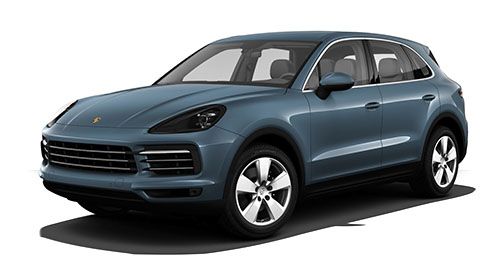 2020 Cayenne
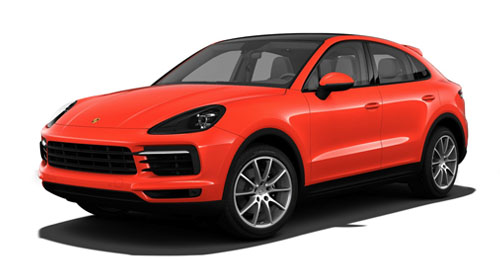 2020 Cayenne Coupe
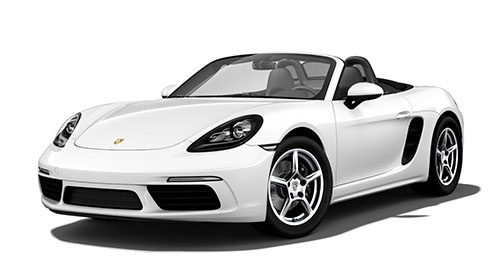 2019 718 Boxster
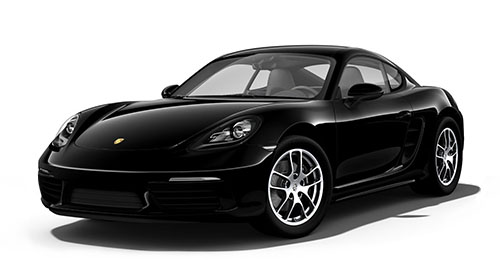 2019 718 Cayman
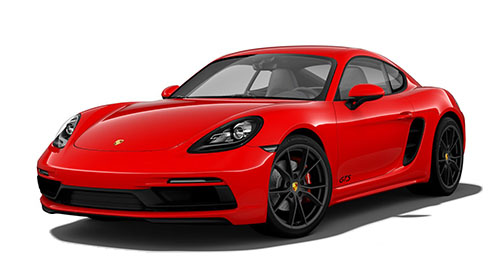 2019 718 GTS
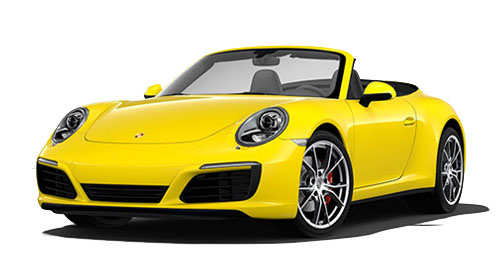 2019 911 Carrera
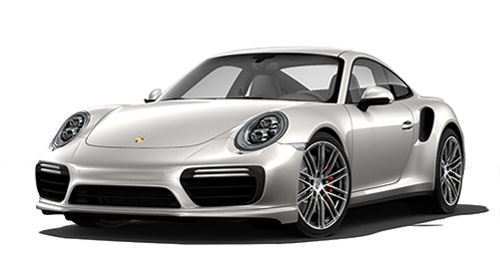 2019 911 Carrera T
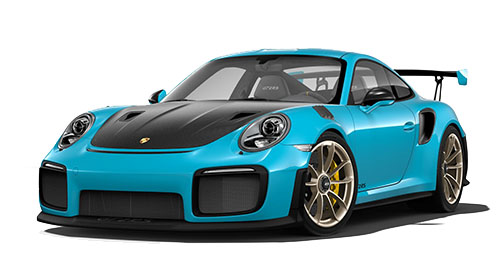 2019 911 GT2 RS
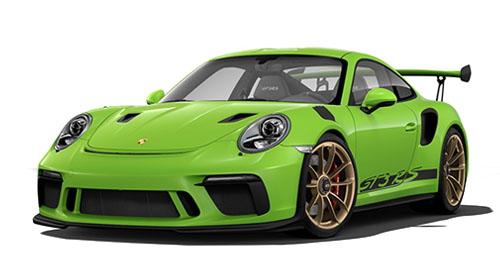 2019 911 GT3
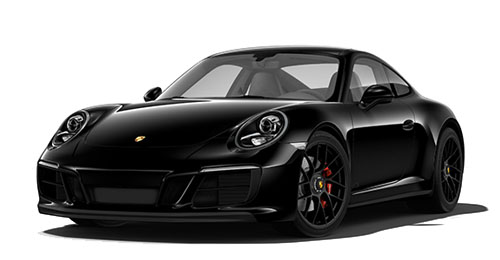 2019 911 GTS
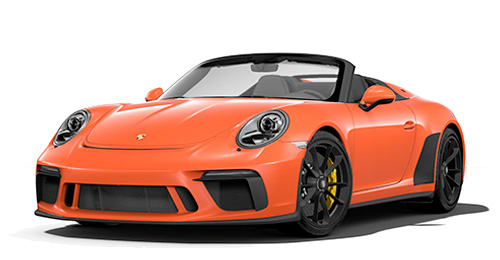 2019 911 Speedster
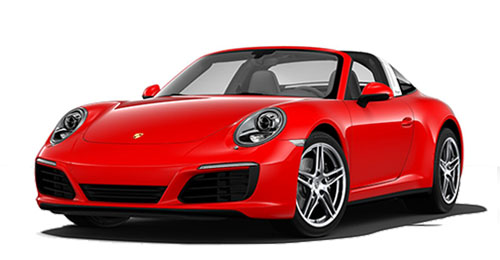 2019 911 Targa 4
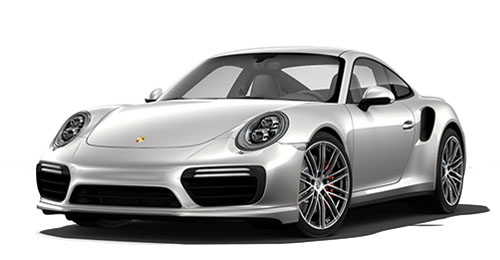 2019 911 Turbo
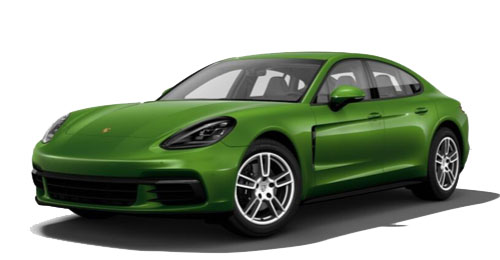 2019 Panamera
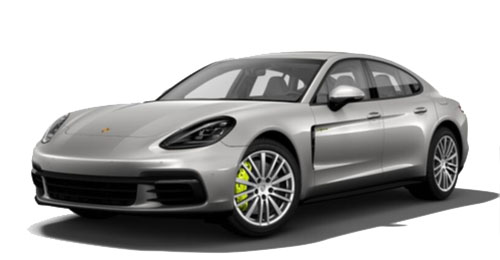 2019 Panamera E-Hybrid
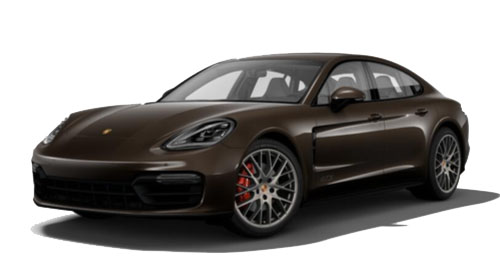 2019 Panamera GTS
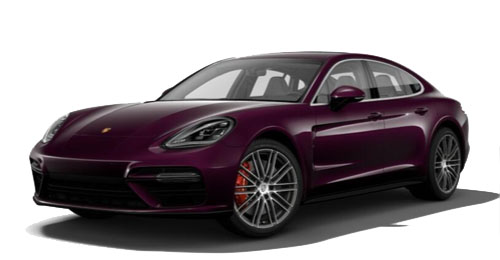 2019 Panamera Turbo
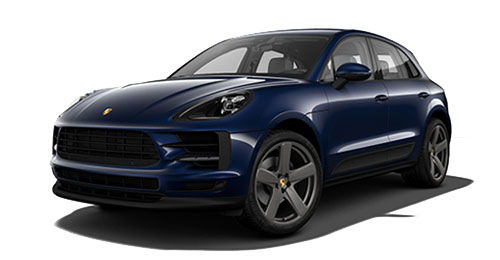 2019 Macan
 2019 Cayenne
 2019 Cayenne E-Hybrid
 2019 Cayenne Turbo
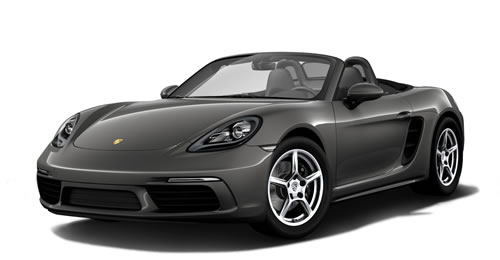 2018 718 Boxster
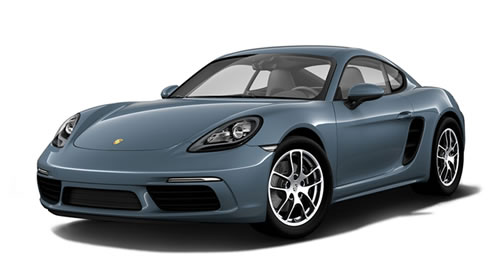 2018 718 Cayman
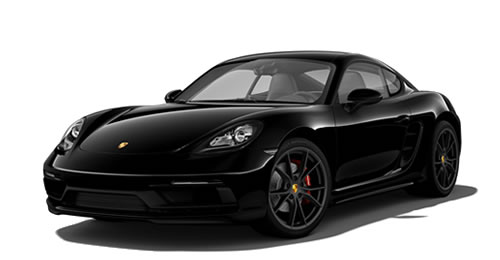 2018 718 GTS
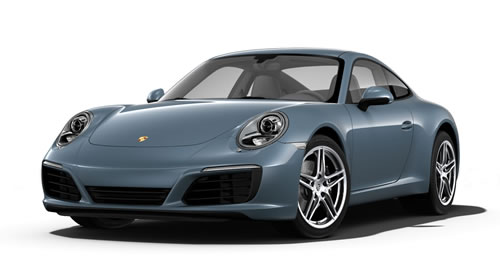 2018 911 Carrera
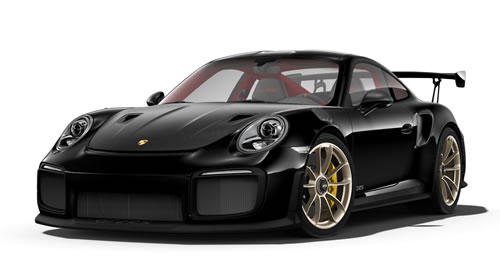 2018 911 GT2 RS
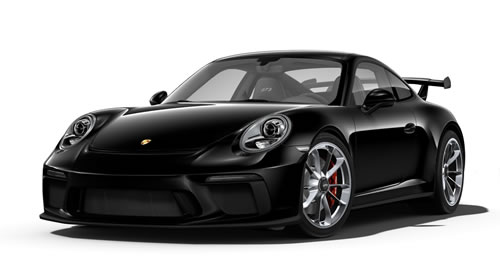 2018 911 GT3
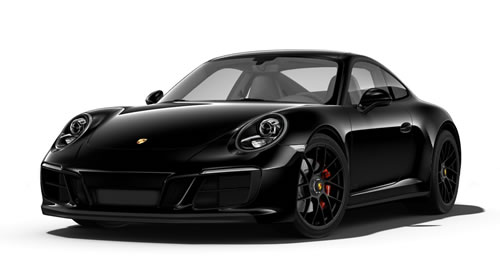 2018 911 GTS
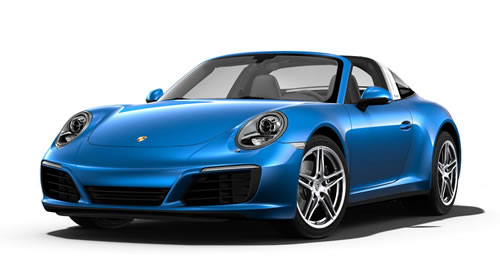 2018 911 Targa 4
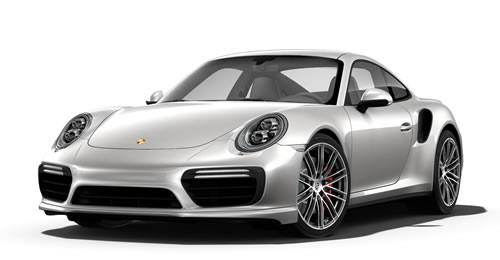 2018 911 Turbo
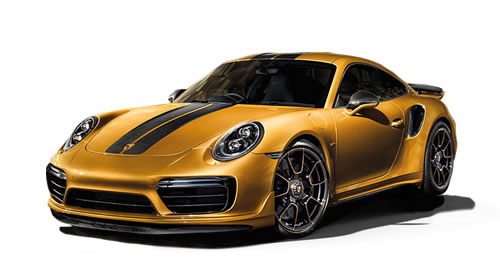 2018 911 Turbo S Exclusive
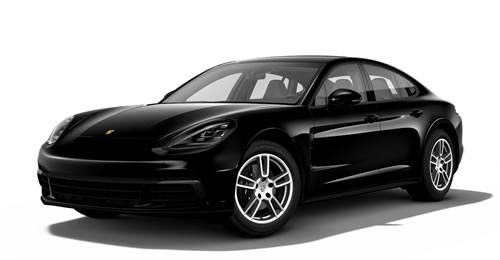 2018 Panamera
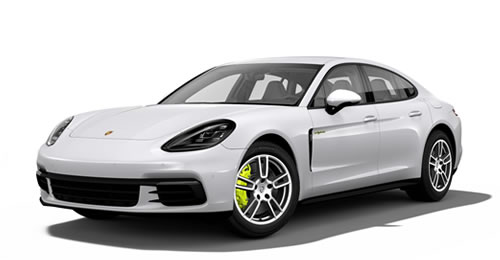 2018 Panamera E-Hybrid
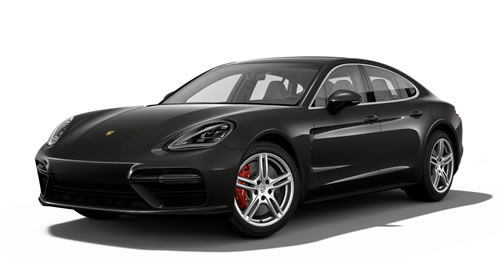 2018 Panamera Turbo
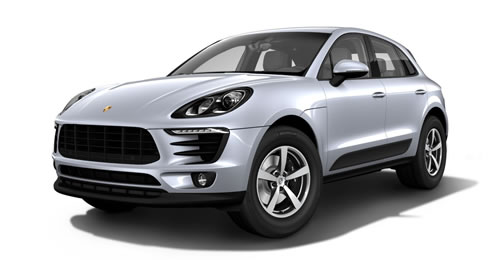 2018 Macan
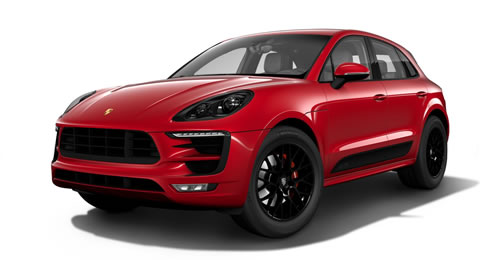 2018 Macan GTS
 2018 Macan Turbo
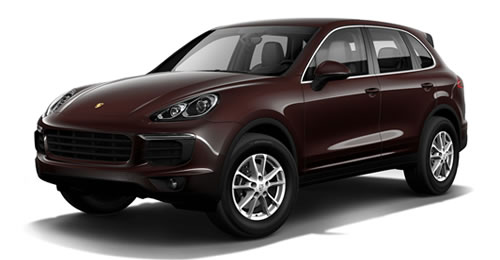 2018 Cayenne
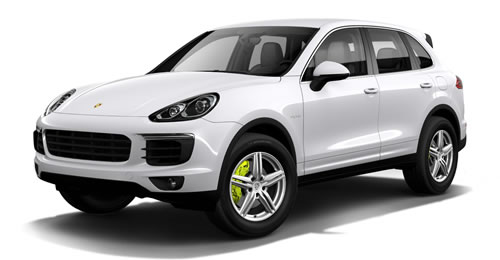 2018 Cayenne E-Hybrid
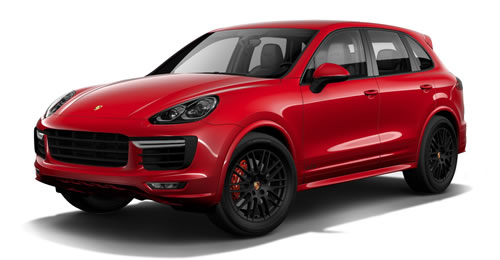 2018 Cayenne GTS
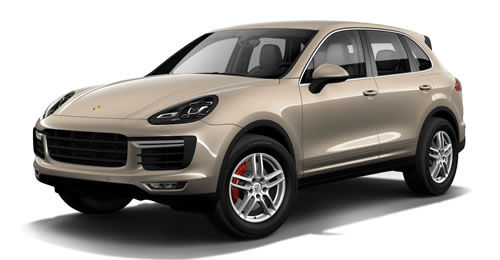 2018 Cayenne Turbo
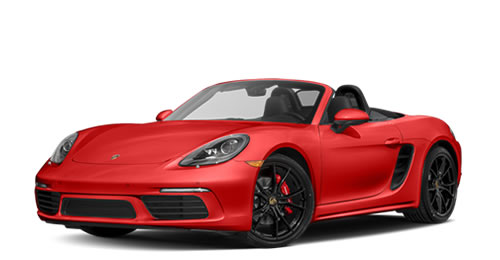 2017 718 Boxster
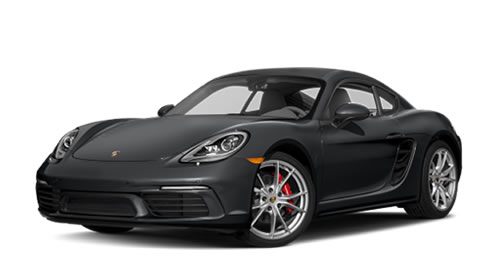 2017 718 Cayman
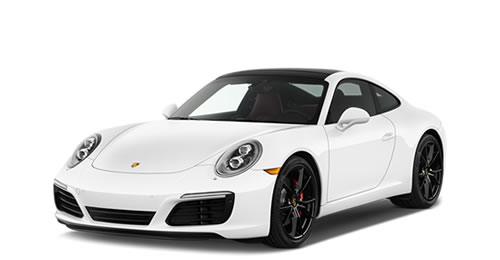 2017 911 Carrera
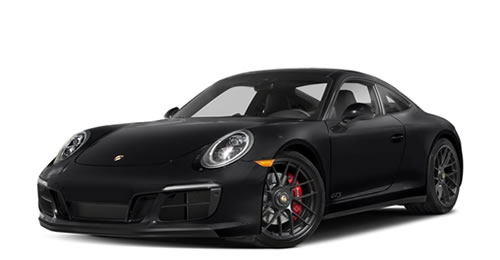 2017 911 GTS
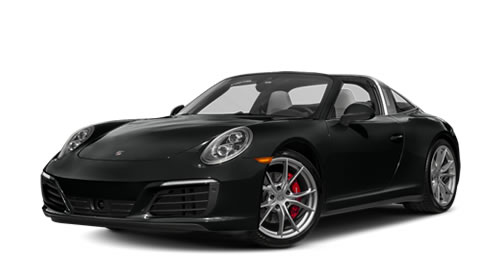 2017 911 Targa
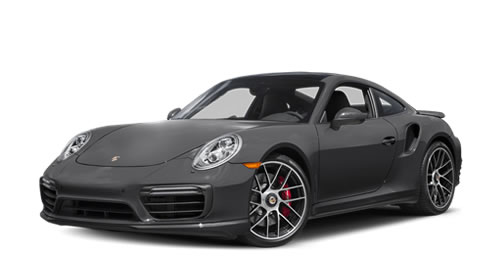 2017 911 Turbo
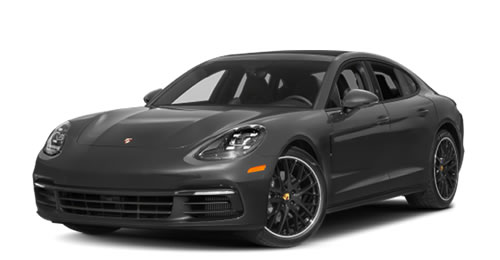 2017 Panamera
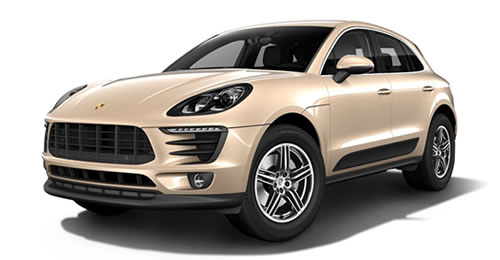 2017 Macan
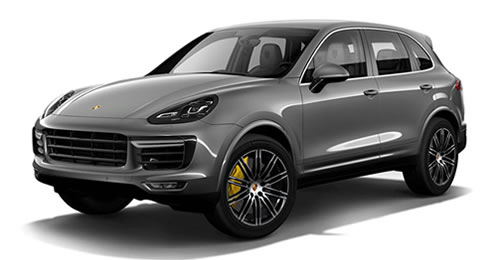 2017 Cayenne
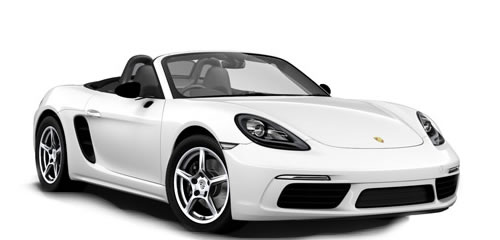 2016 Boxster
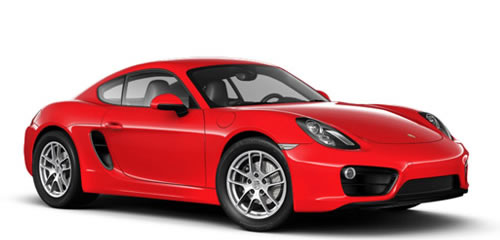 2016 Cayman
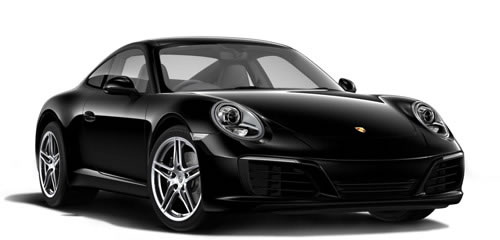 2016 911
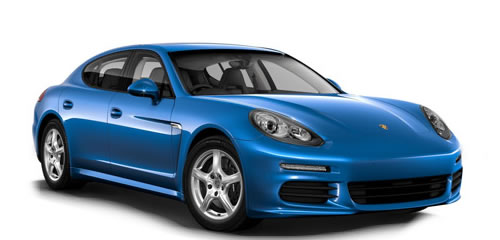 2016 Panamera
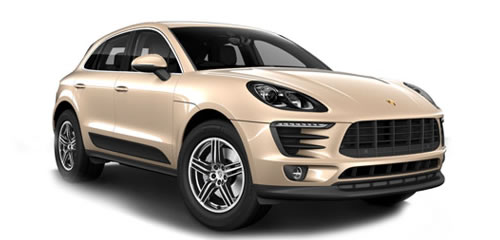 2016 Macan
 2016 Cayenne
 2015 918 Spyder
 2015 Boxster
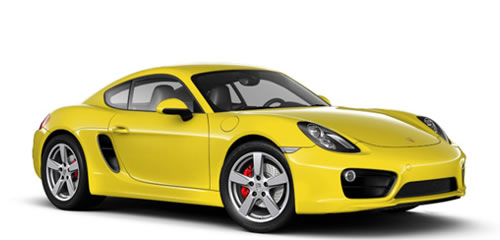 2015 Cayman
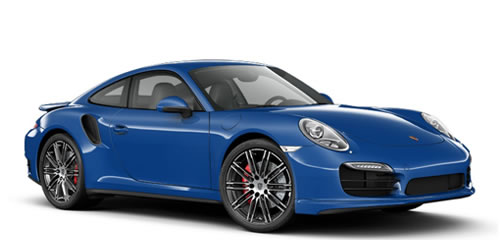 2015 911
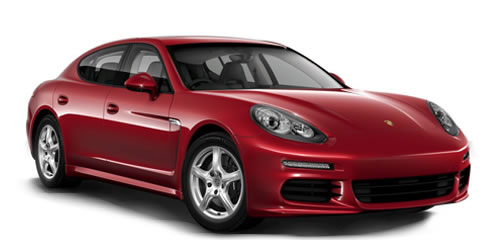 2015 Panamera
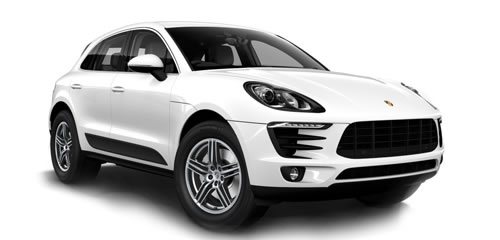 2015 Macan
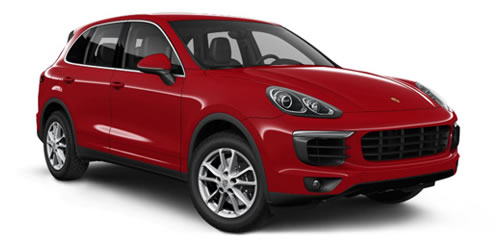 2015 Cayenne


Check Out Our Inventory
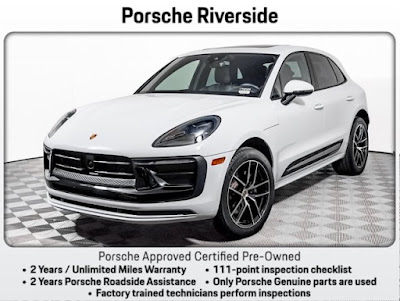
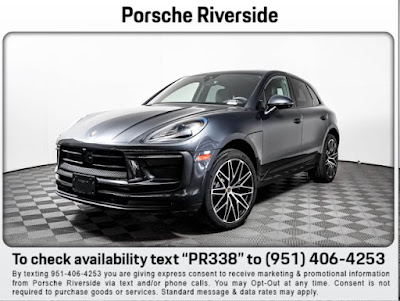
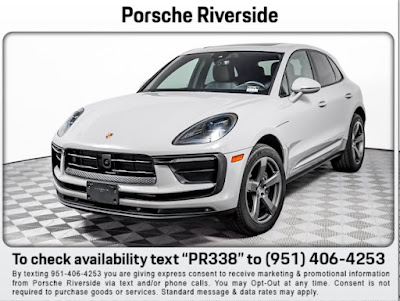
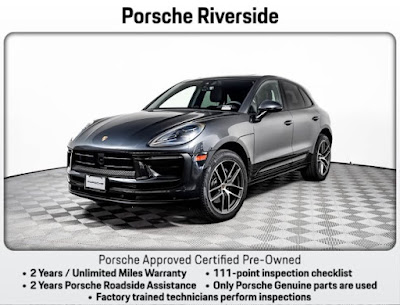
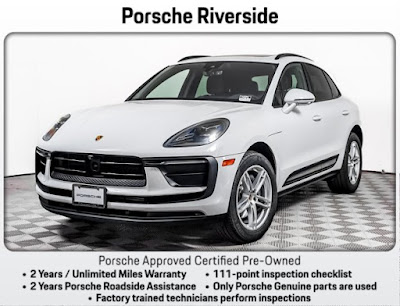
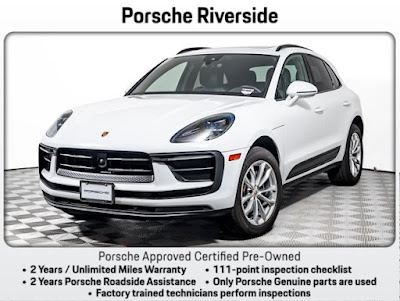
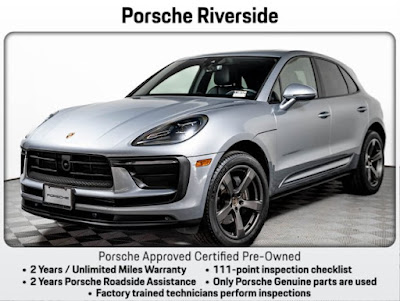
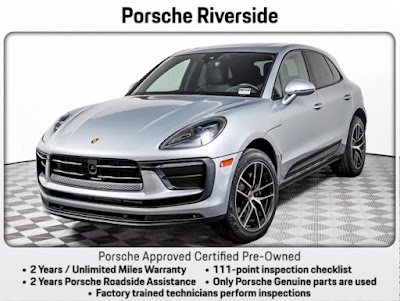
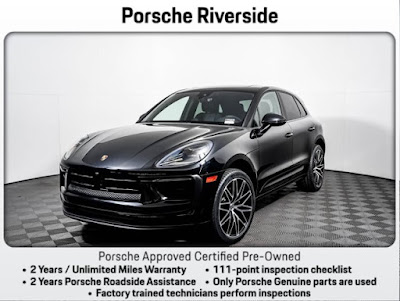
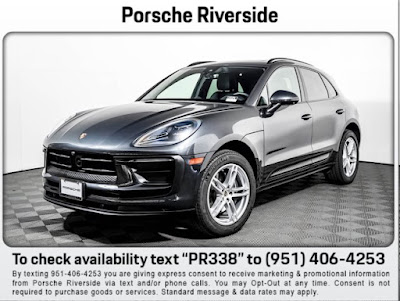
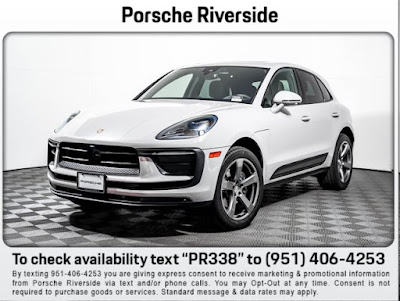
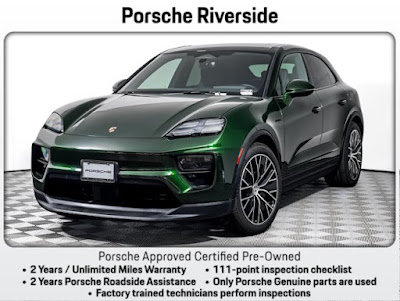
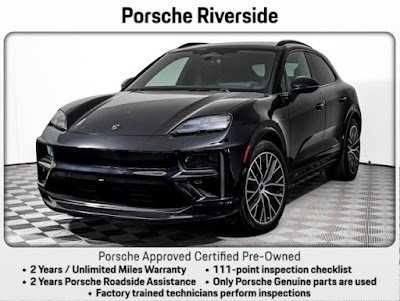
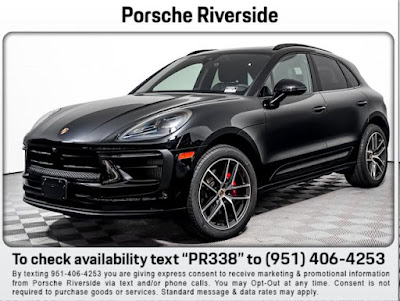
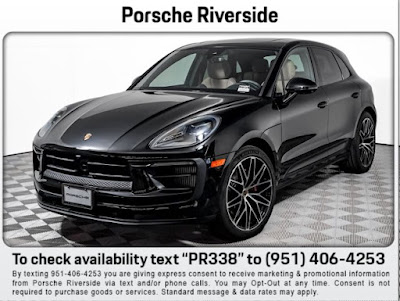
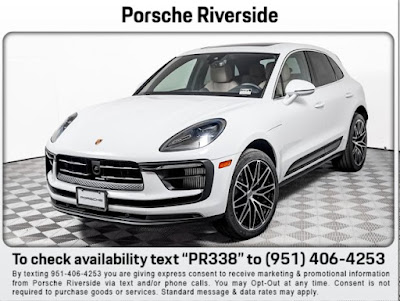
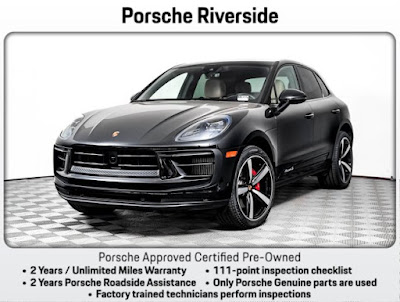
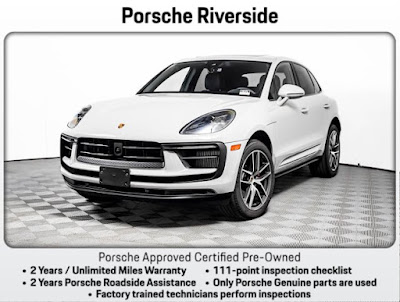
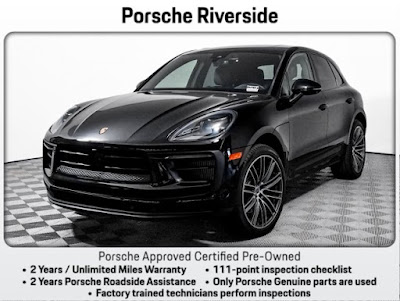
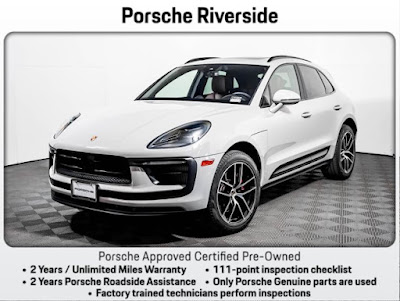
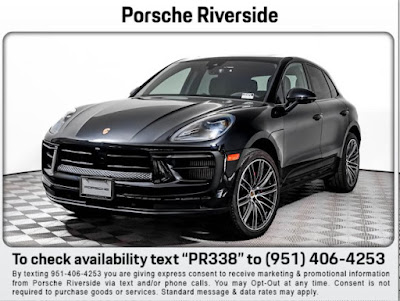
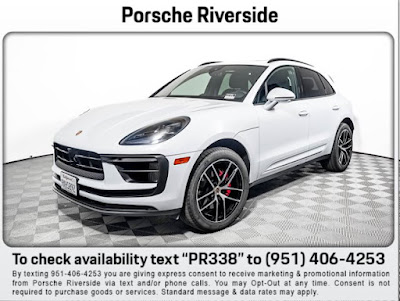
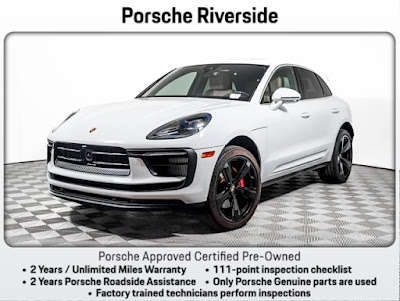
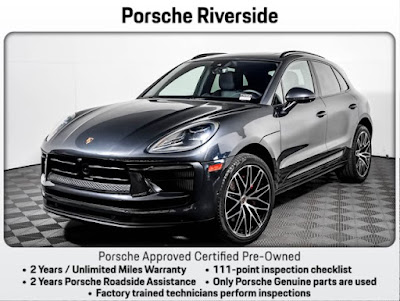
2018 Porsche Macan Overview
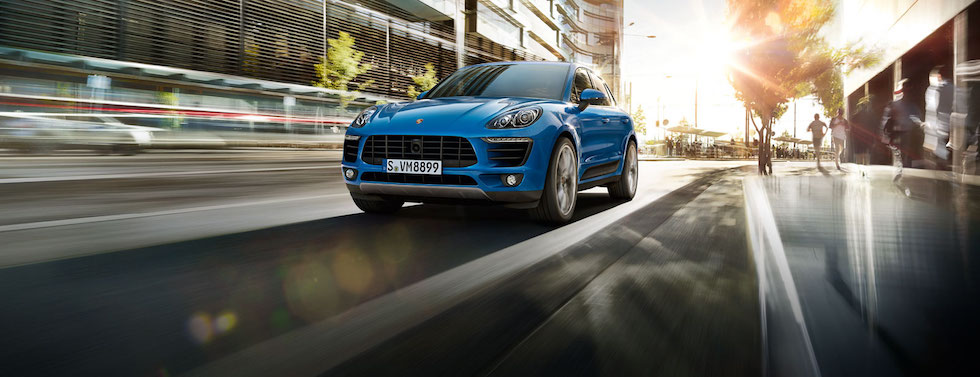
2018 Porsche Macan in Riverside
-
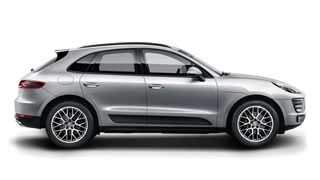
Macan
-
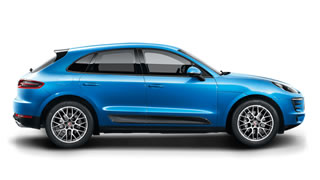
Macan S
-
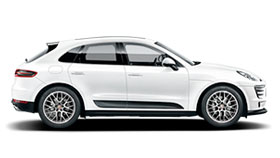
Macan Sport Edition
Porsche Macan Dealer in Riverside
2018 Porsche Macan Performance
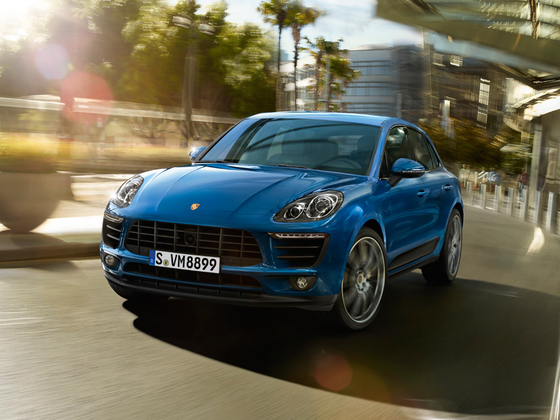
7-speed Porsche Doppelkupplung (PDK)
Would you prefer to experience the gear change or the driving pleasure? No contest. The new Macan is equipped with the 7-speed PDK transmission, which changes gear in fractions of a second with no interruption in the flow of power. The advantage is that, whenever a particular gear is engaged, the next gear is already preselected. As the clutch of the engaged gear opens, the clutch of the target gear closes simultaneously. The effect is a sporty, dynamic and agile driving feel.
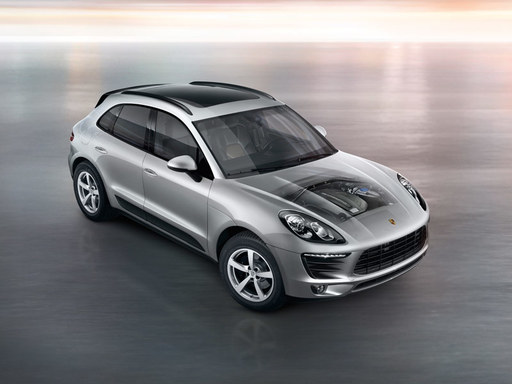
VarioCam Plus System
The intake and exhaust camshafts in all Macan models with petrol engine are each equipped with a fully variable vanecell controller for continuous timing adjustments. This helps to deliver high specific power and high torque – even at low engine speeds – and, above all, reduced fuel consumption and low emissions.
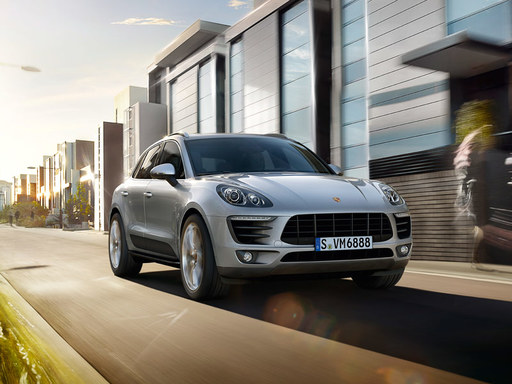
Direct fuel injection (DFI)
With millisecond precision, DFI injects fuel at up to 200 bar directly into the combustion chamber by means of electromagnetically actuated injection valves. The spray and cone angles have been optimised for torque, power output, fuel consumption and emissions by enabling a homogeneous distribution of the air/fuel mixture and, therefore, effective combustion. DFI improves the internal cooling of the combustion chamber by having the mixture prepared directly in the cylinder. This allows for a higher compression ratio, which helps to deliver greater power output at the same time as enhanced engine efficiency.
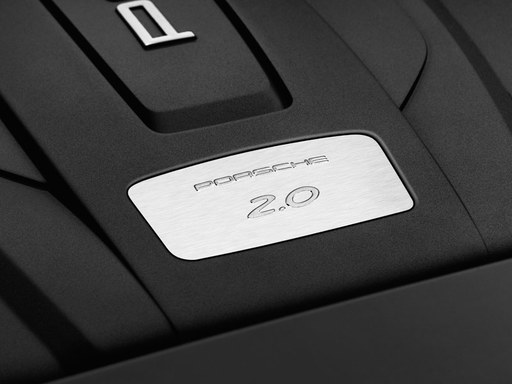
Turbo
The V6 twin-turbo engines are equipped with two turbochargers arranged in parallel – one for each cylinder bank. Intake air is compressed and then fed to the engine via the respective charge-air cooler. This cooling process achieves two things: high cylinder charge and low component temperatures.
2018 Porsche Macan Appearance
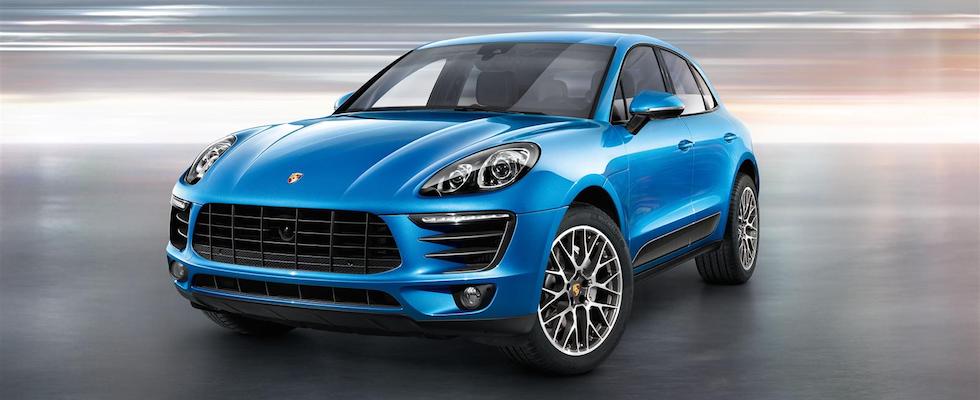
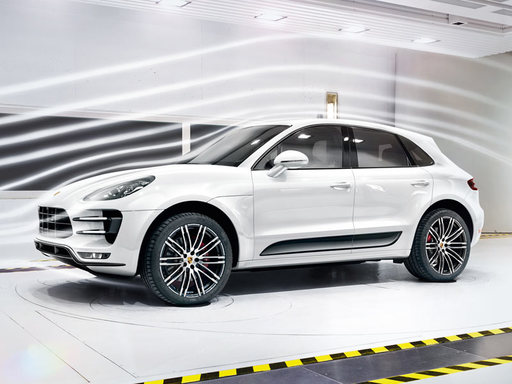
Exterior design
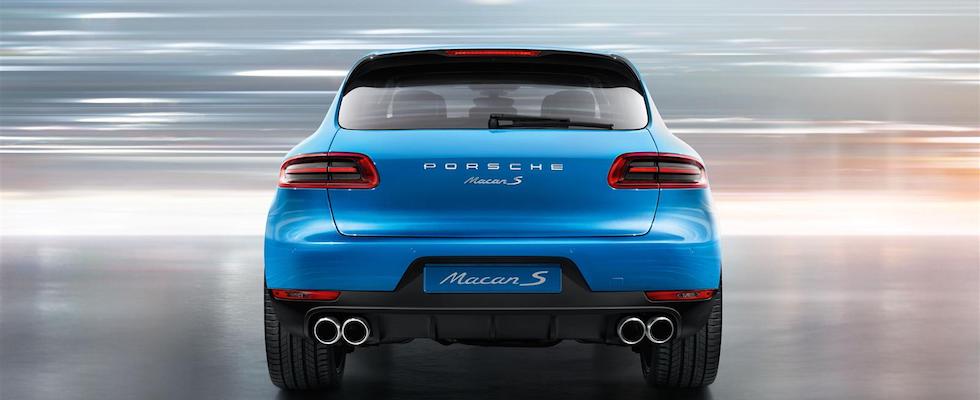
The classic Porsche sports car design reveals itself at the rear: sleek at the top, broader as you approach the rear wheels – a homage to the 911. The styling of the rear hatch gives the rear end a particularly harmonious form. For convenience, the rear hatch on all Macan models is equipped with an automatic powerlift function. The slimline LED taillights have three-dimensional proportions, which gives them an extraordinary appearance of depth – and captures your attention. The overall effect is to make the Macan look low, wide and thus intimate with the road – like any genuine Porsche. After all, a muscle-toned body is meant to be admired from the rear as well as the front.
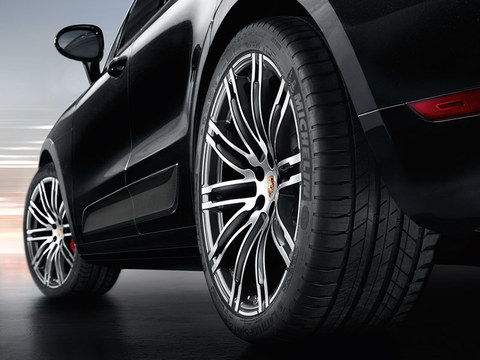
Wheels
For the wheels, too, everything revolves around sporty performance – and style. Accordingly, the Macan serves up some impressive numbers: the wheels look exceptionally large, with optional sizes up to 21 inches. What they all have in common is their aluminium construction, which saves weight and increases agility. That’s particularly true of the forged 21-inch wheels. The Macan is equipped, as standard, with 18-inch Macan wheels, the Macan S with 18-inch Macan S wheels.
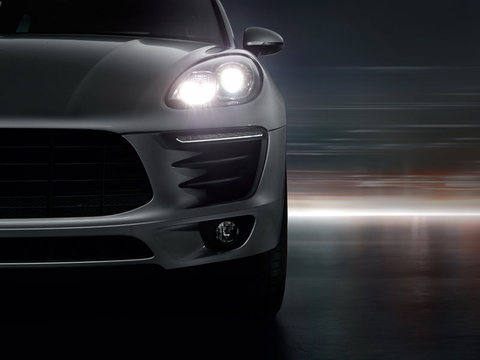
Bi-Xenon main headlights including Porsche Dynamic Light System (PDLS)
The Bi-Xenon headlights feature automatic and dynamic range control, which provides uniform illumination of the road whether dipped or main beam is selected. The dynamic cornering light function swivels the headlights towards the inside of a corner based on the steering angle and road speed. The static cornering lights activate the auxiliary headlights so as to light up more of the road at tight bends and turns. Put simply, a greater part of the road ahead is illuminated the moment you enter a corner.
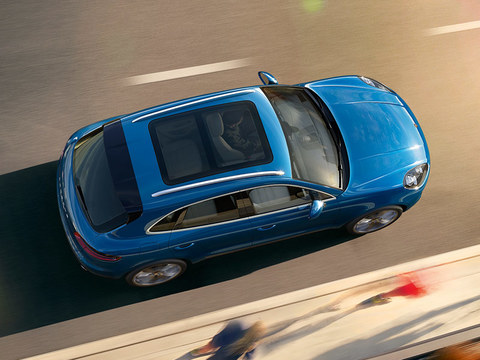
Panoramic roof system
The panoramic roof system is a good square meter in size and comprises two large glass panels. Even when closed, it lives up to its name, letting you enjoy a generous panoramic view – but keeping you well protected from the elements at the same time. In addition, the front portion slides open or tilts to a raised position. A roll-up blind shields you from strong sunlight.
2018 Porsche Macan Comfort
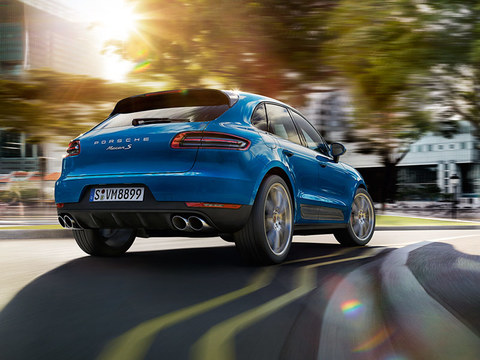
Noise reduction
The characteristic Porsche sound may drive our passion, but acoustics is yet another area in which we continuously strive for optimization. Stiff components and lightweight, temperature-stable materials minimize play between parts and therefore mechanical noise. Voluminous silencers and air induction systems reduce noise levels further – and that's over the course of the entire service life. In collaboration with tire manufacturers, we are managing to reduce the rolling noise of tires, while aerodynamic refinements keep wind noise as low as possible. What's left? The Porsche sound, pure and simple.
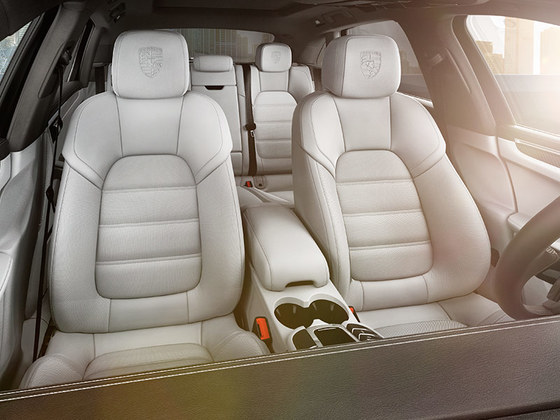
Interior design
As a creator of sports cars, we know that driver and car must form a single entity. As such, you do not simply sit in the Macan – the ergonomic architecture integrates you into the vehicle. The three-dimensional arrangement of the controls lends the interior a cockpit-style layout. In typical Macan fashion, the sporty front seats convey a sense of height above the road but a firm connection with it. The instrument panel, with its cluster of three dials, is always in view – just like in a classic sports car. In the center: the rev counter. To the right: the 4.8-inch color screen. This displays a range of useful information as well as a host of new functions introduced with the latest version of Porsche Communication Management (PCM).
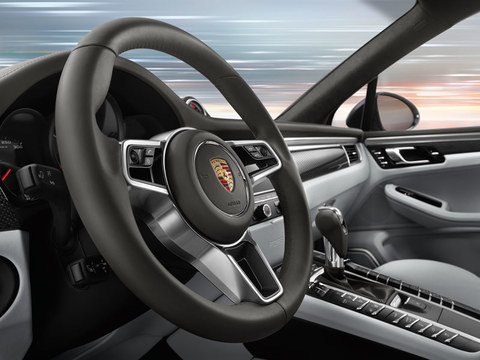
Steering and Power steering Plus
Steering
The steering has been engineered for sporty and immediate handling. The tuning of the electromechanical steering system is what makes the Macan models so extraordinarily agile.
It also contributes to low fuel consumption. As there is no hydraulic system constantly drawing power, energy is consumed only when the steering is turned.
Power steering Plus
Standard Power steering Plus is a speed sensitive power steering system. At high speeds, the steering firms up and responds with greater precision, while steering comfort remains outstanding. At low speeds, the steering ratio adjusts for easy maneuvering and parking.
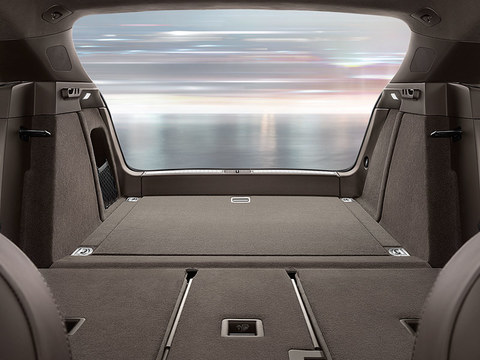
Loadspace management system
The loadspace management system enables you to partition the luggage compartment to suit your needs. Items are held in place by a rail system with slide-adjustable telescopic rod, a strap roller and four variable lashing eyelets. The reversible mat protects against dirt and helps to prevent luggage displacement. The loadspace partition net provides added safety with the vehicle laden.
2018 Porsche Macan Safety
New Car Limited Warranty & Porsche 24-Hour Roadside Assistance Program for 4-Years / 50,000 Miles (whichever occurs first)
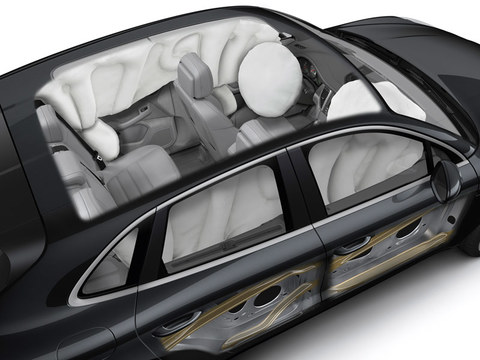
Airbags
All Macan models are equipped, as standard, with full-size airbags for the driver and front passenger. These are supplemented by the Porsche Side Impact Protection System (POSIP). It comprises side airbags in the front seats, curtain airbags along the entire roof frame and the side windows from the A-pillar to the C-pillar, and side impact protection elements in the doors. Side airbags for the rear compartment, along with driver and passenger knee bags, are standard. Two auxiliary sensors in the bumper help to detect frontal collisions. A cluster of acceleration and yaw rate sensors detects a threat of rollover and triggers the curtain airbags and seat belt pretensioners.
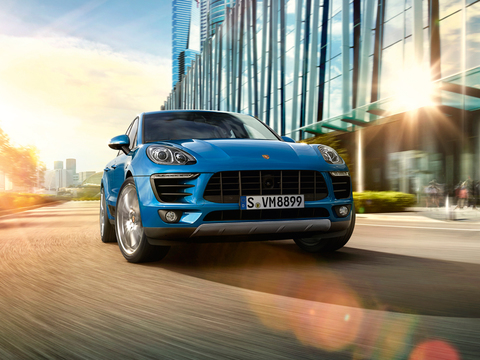
Porsche Stability Management (PSM)
PSM is an electronic control system that helps to maintain stability – and increases driving safety – even at the limits of sporty performance. Sensors continuously monitor driving direction, speed, yaw velocity and lateral acceleration. PSM actively intervenes to stabilize the vehicle when necessary by strategically applying the brakes at individual wheels. That’s not all. If the driver suddenly releases the accelerator pedal, PSM primes the brake system for a higher state of readiness. Maximum braking power is therefore achieved much sooner. Integral ABS is optimized for short braking distances.
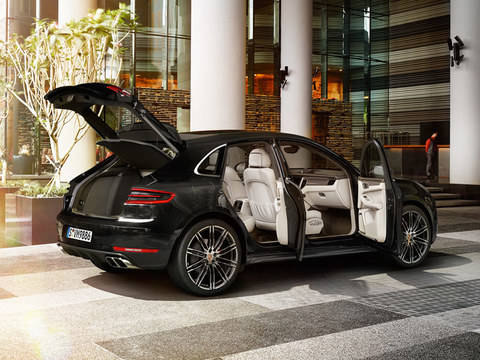
Engineered body design
The use of ultra- and super-high-strength steels contribute to safety and, at the same time, purposefully encapsulates the principle of lightweight construction. The forces exerted in the event of a frontal impact are dispersed by a system of longitudinal and transverse members. Reinforcements in ultra-high-strength steel provide additional protection for occupants in the event of a side impact. The concept also sees the use of multiphase steels. High strength and clearly defined deformability are two qualities that they have in common.
2018 Porsche Macan Specification
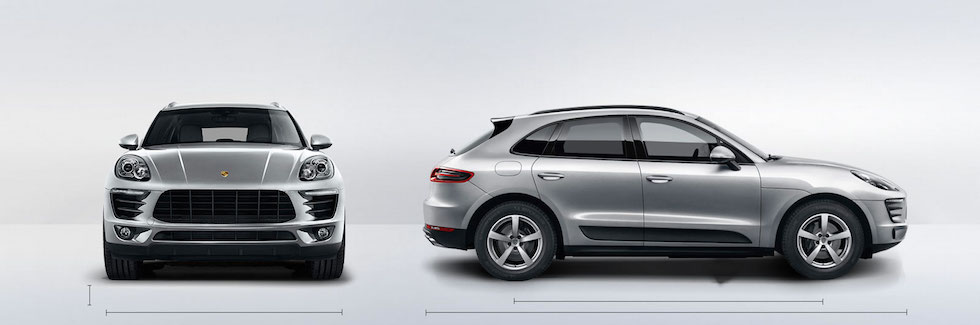
Width (w/ mirrors folded): 82.6 in. (75.7 in.)
Length: 184.3 in.
Specs reflect base model unless otherwise noted.
| Engine | PDK |
|---|---|
| Engine layout | Front Engine / All wheel drive |
| Cylinder layout / number of cylinders | Turbocharged Inline / 4 |
| Displacement | 2.0 liters |
| Horsepower | 252 hp |
| @ rpm | 5000 - 6800 rpm |
| Torque | 273 lb.-ft. |
| Compression ratio | 9.6 : 1 |
| Performance | PDK |
| Top Track Speed | 142 mph |
| 0 - 60 mph | 6.3 sec |
| Other | PDK |
| Luggage compartment volume (with seats folded) | 17.7 cu.-ft. (53 cu.-ft.) |
| Fuel tank | 19.8 gal. |
| Body | PDK |
|---|---|
| Length | 184.3 in. |
| Width (w/ mirrors folded) | 82.6 in. (75.7 in.) |
| Height | 63.9 in. |
| Wheelbase | 110.5 in. |
| Drag coefficient (Cd) | 0.36 |
| Curb Weight | 3902 lbs |
| Fuel Consumption | PDK |
|---|---|
| City (estimate) | 20 mpg |
| Highway (estimate) | 25 mpg |
| Combined (estimate) | 22 mpg |
Check Out Our Inventory
Disclaimers
- * For up-to-date pricing and disclaimer information please contact your local dealer.