Porsche Riverside
8423 Indiana Ave. Riverside, CA 92504
Overview-

Performance 
Appearance
Comfort
Safety & Warranty
Specs-

More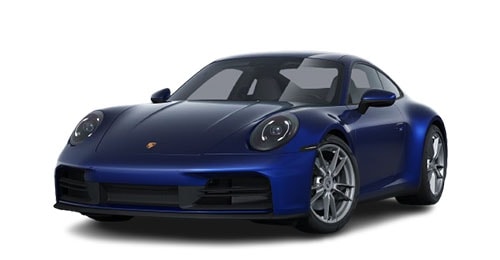 2027 911 Carrera
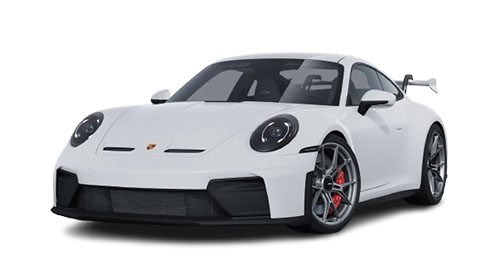 2027 911 GT3
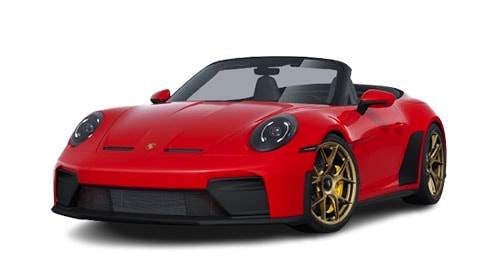 2027 911 GT3 SC
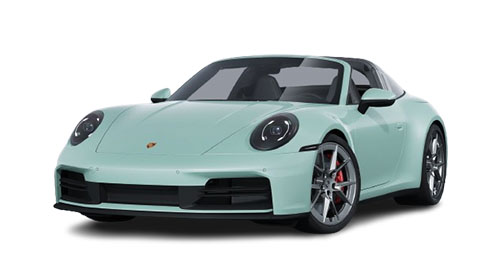 2027 911 Targa
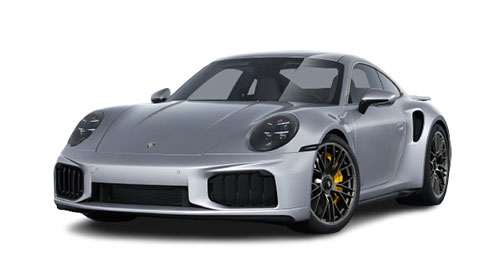 2027 911 Turbo S
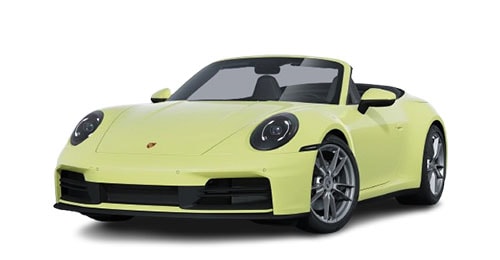 2027 911 Carrera Cabriolet
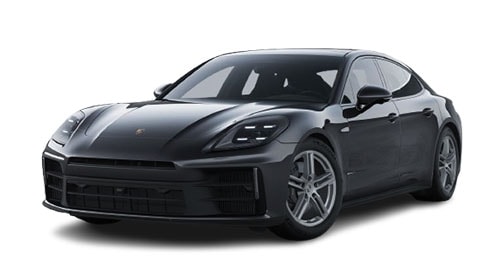 2027 Panamera
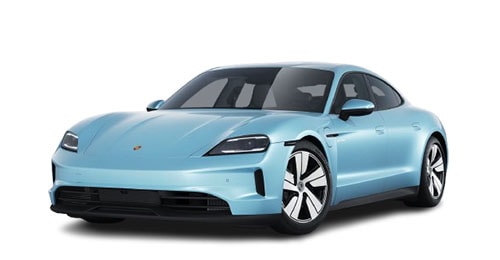 2027 Taycan
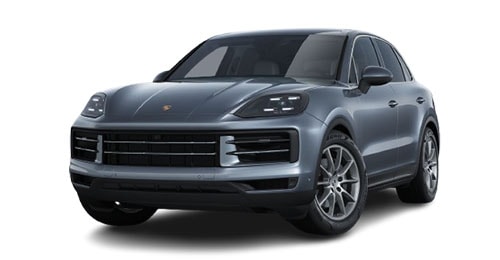 2027 Cayenne
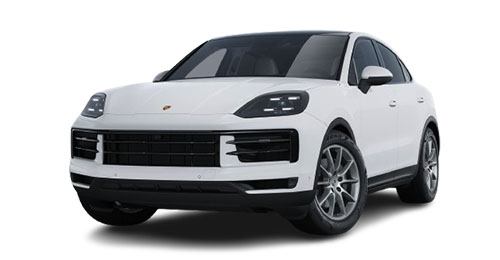 2027 Cayenne Coupe
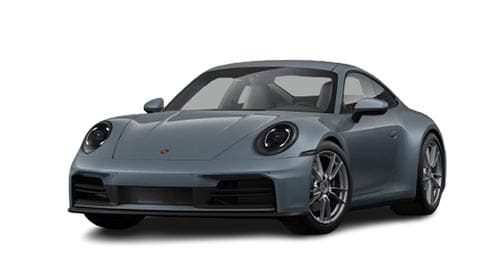 2026 911 Carrera
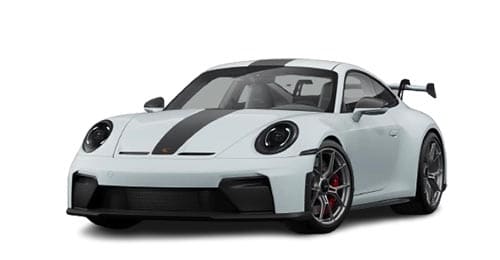 2026 911 GT3
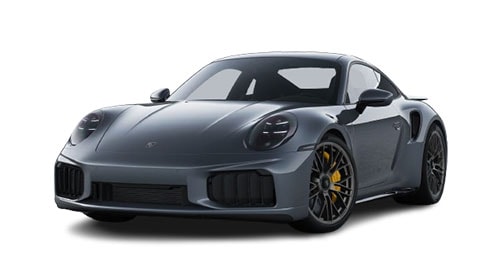 2026 911 Turbo S
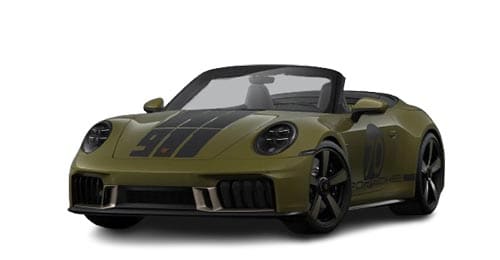 2026 911 Spirit 70
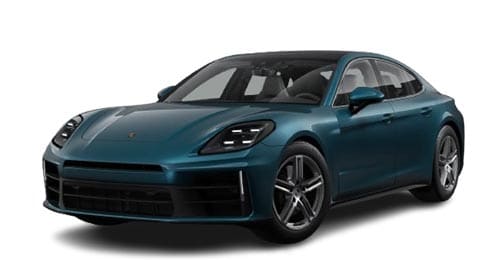 2026 Panamera
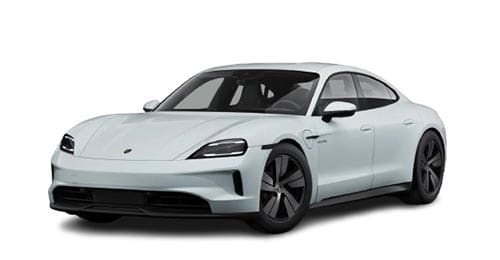 2026 Taycan
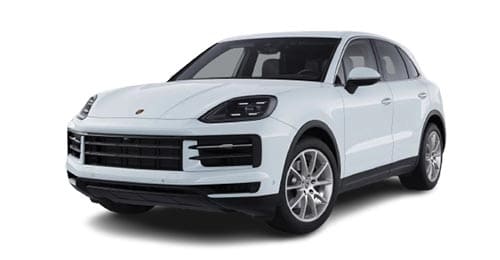 2026 Cayenne
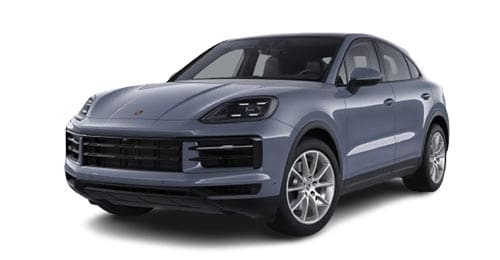 2026 Cayenne Coupe
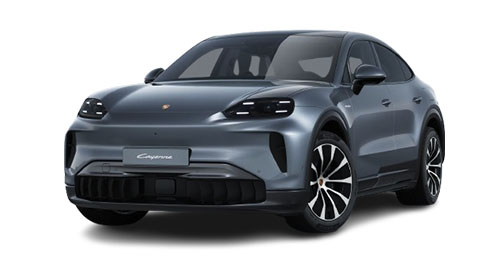 2026 Cayenne Coupe Electric
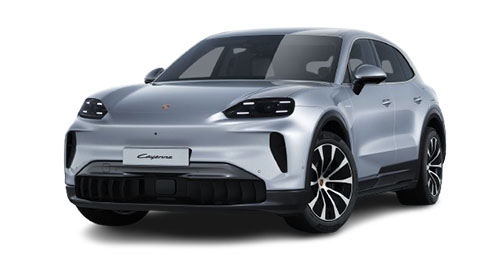 2026 Cayenne Electric
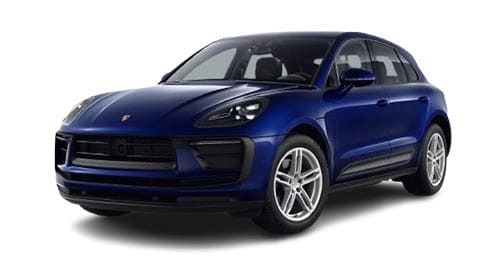 2026 Macan
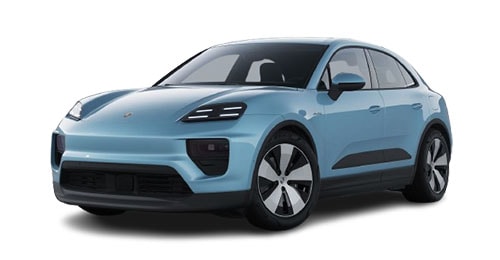 2026 Macan Electric
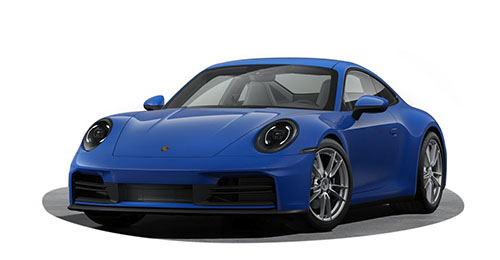 2025 911 Carrera
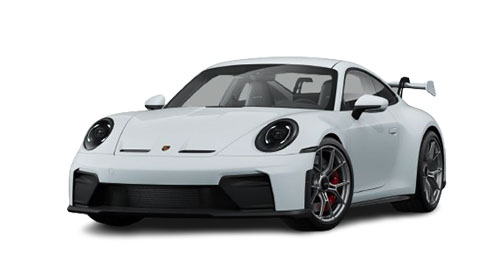 2025 911 GT3
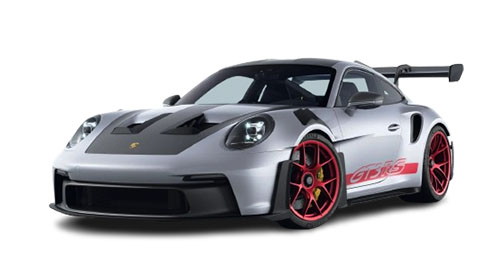 2025 911 GT3 RS
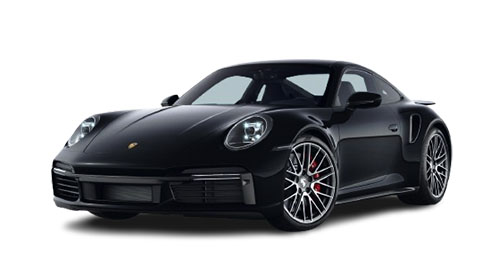 2025 911 Turbo
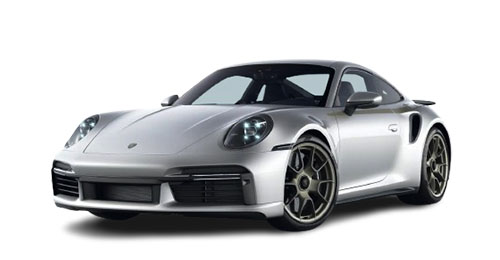 2025 911 Turbo 50 Years
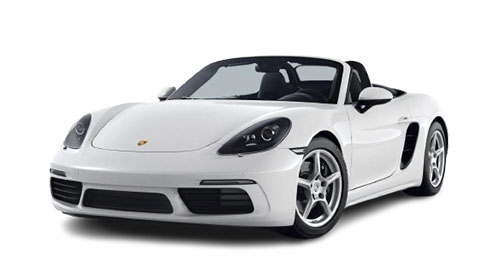 2025 718 Boxster
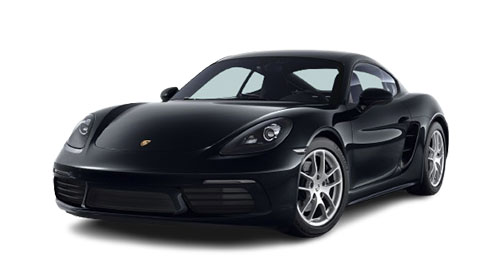 2025 718 Cayman
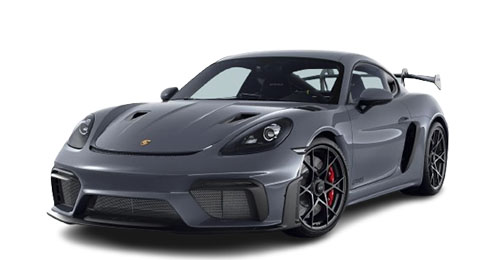 2025 718 Cayman GT4 RS
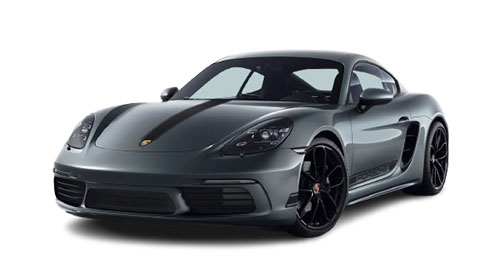 2025 718 Cayman Style Edition
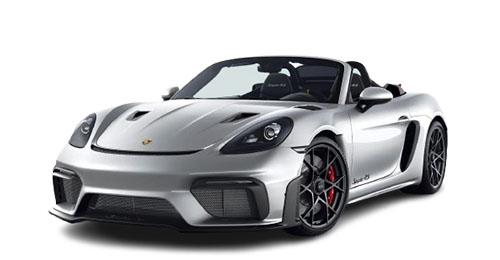 2025 718 Spyder RS
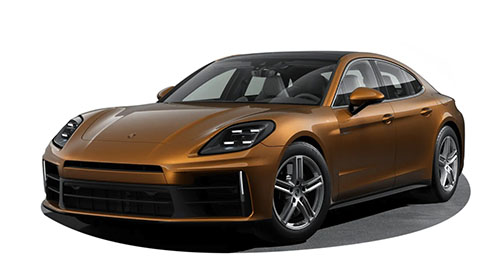 2025 Panamera
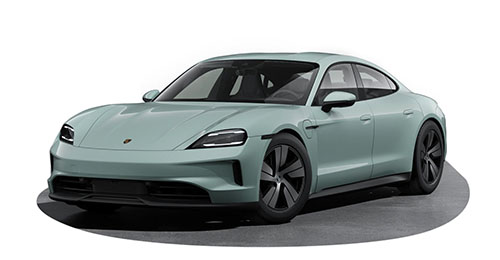 2025 Taycan
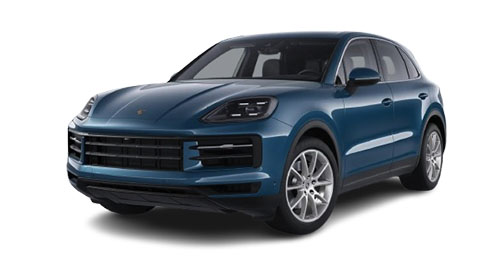 2025 Cayenne
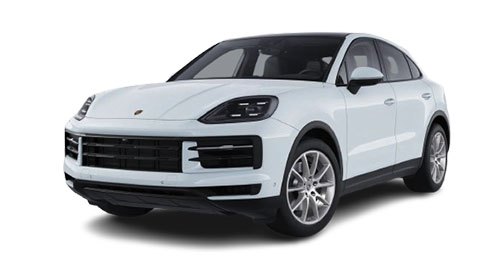 2025 Cayenne Coupe
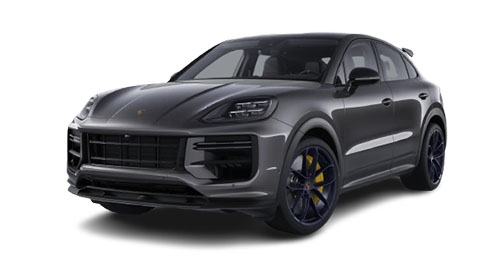 2025 Cayenne Turbo GT
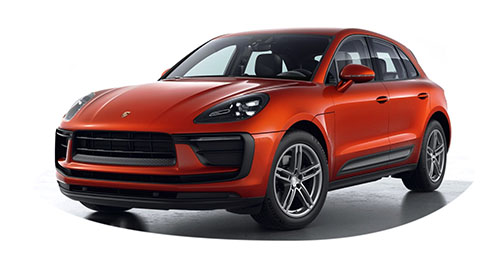 2025 Macan
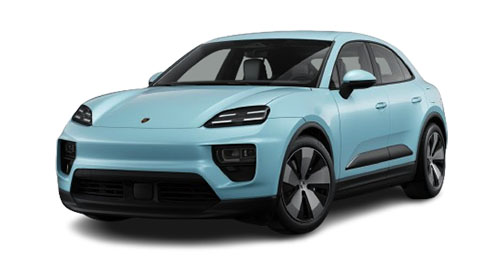 2025 Macan Electric
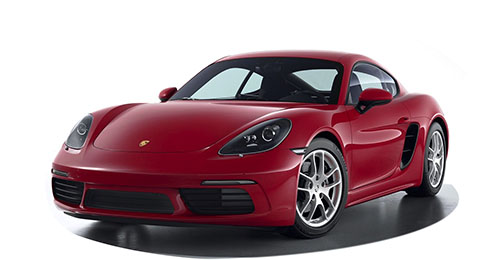 2024 718 Cayman
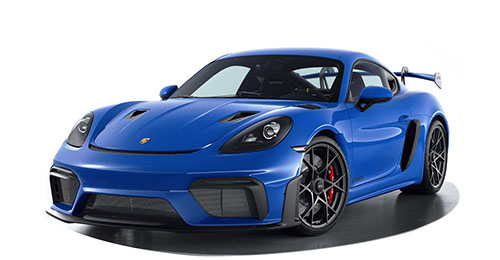 2024 718 Cayman GT4 RS
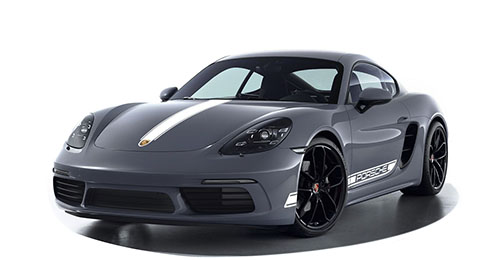 2024 718 Cayman Style Edition
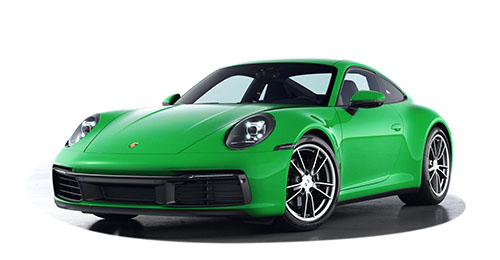 2024 911 Carrera
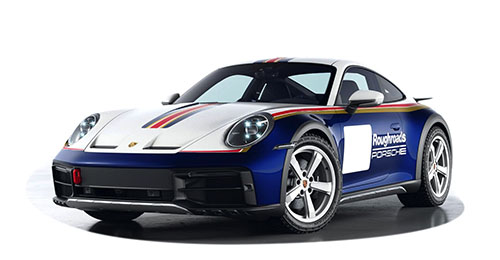 2024 911 Dakar
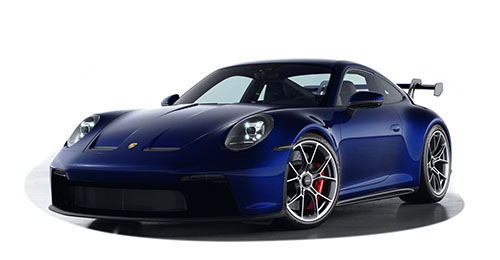 2024 911 GT3
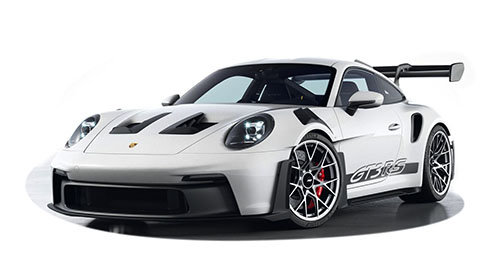 2024 911 GT3 RS
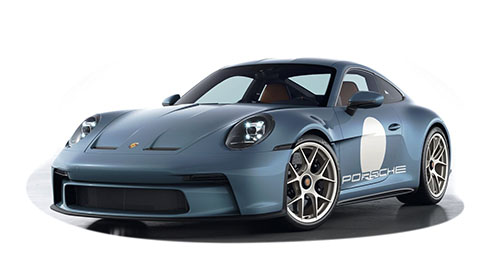 2024 911 ST
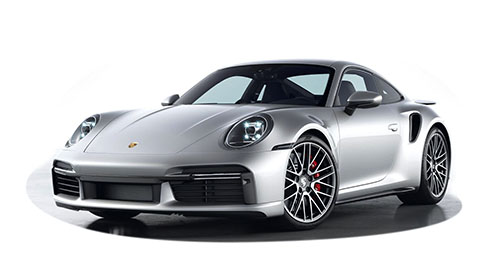 2024 911 Turbo
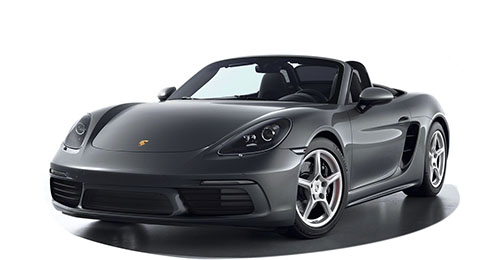 2024 718 Boxster
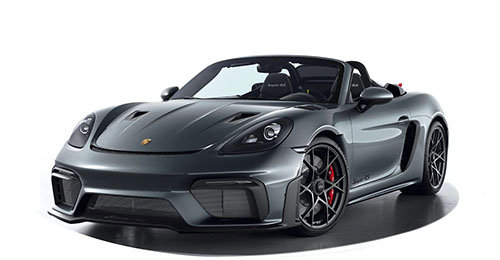 2024 718 Spyder RS
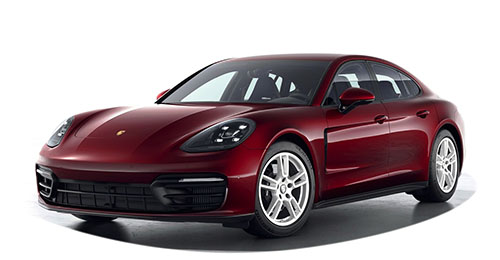 2024 Panamera
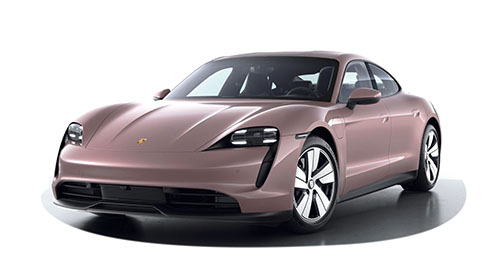 2024 Taycan
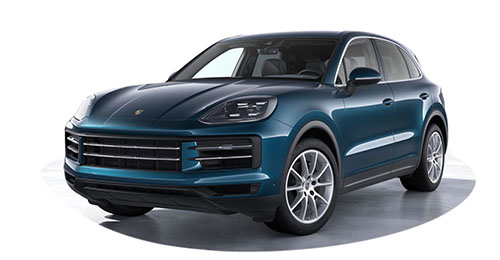 2024 Cayenne
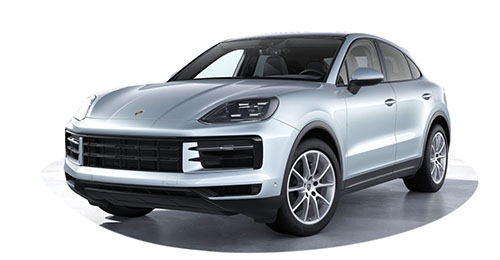 2024 Cayenne Coupe
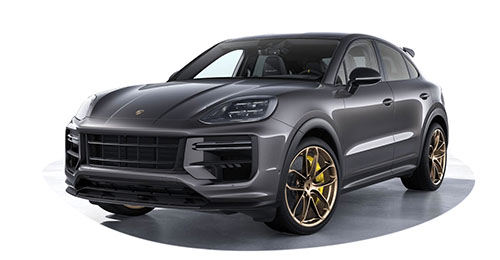 2024 Cayenne Turbo GT
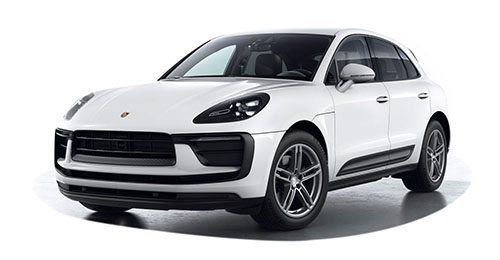 2024 Macan
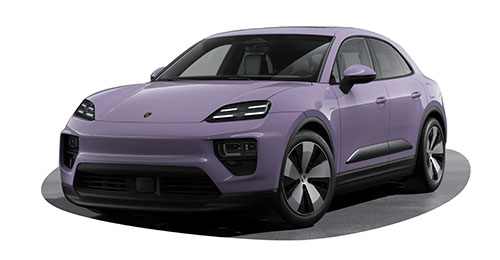 2024 Macan Electric
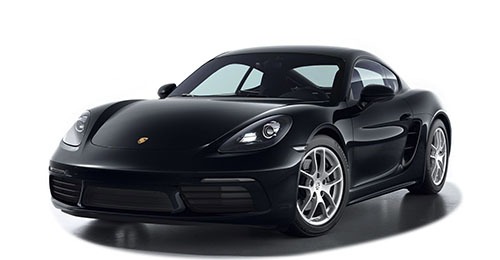 2023 718 Cayman
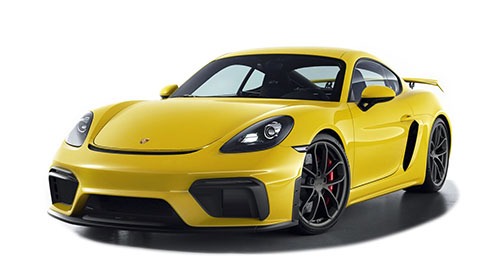 2023 718 Cayman GT4
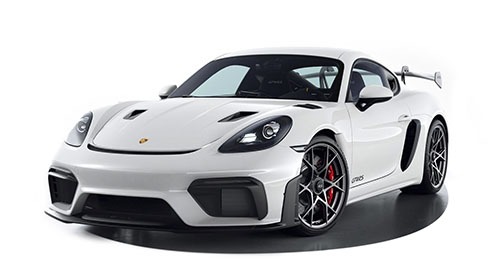 2023 718 Cayman GT4 RS
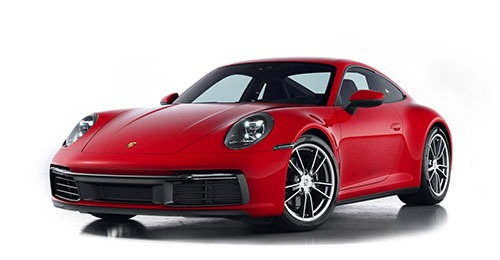 2023 911 Carrera
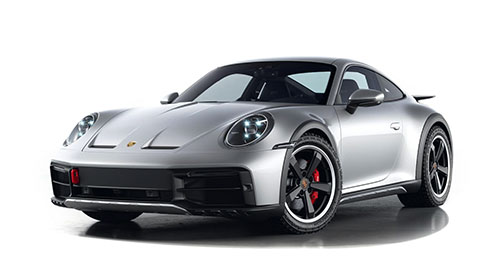 2023 911 Dakar
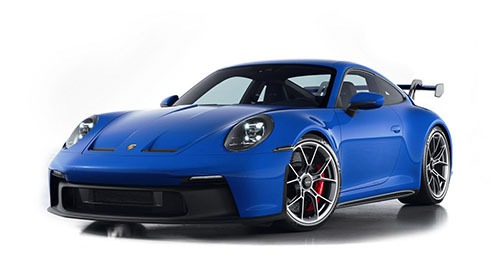 2023 911 GT3
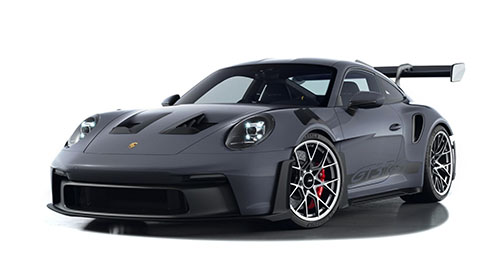 2023 911 GT3 RS
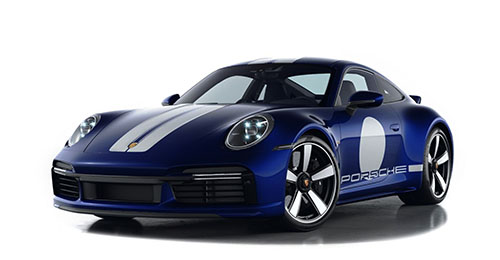 2023 911 Sport Classic
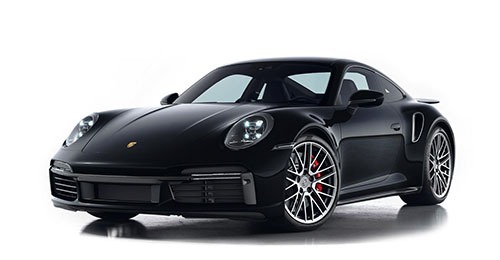 2023 911 Turbo
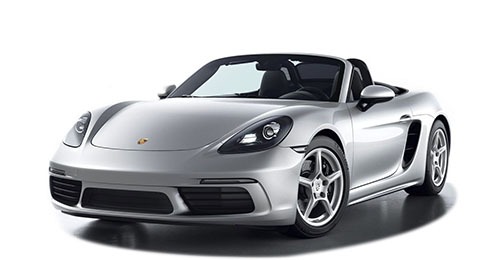 2023 718 Boxster
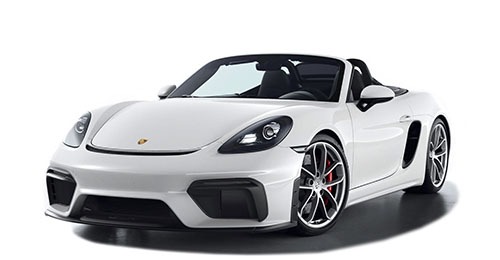 2023 718 Spyder
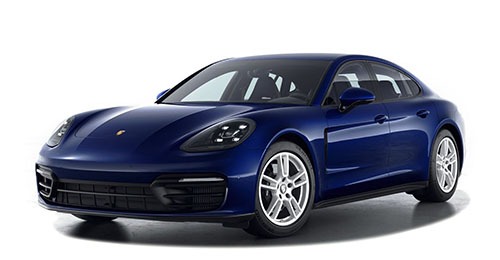 2023 Panamera
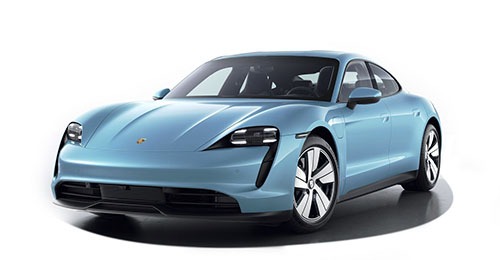 2023 Taycan
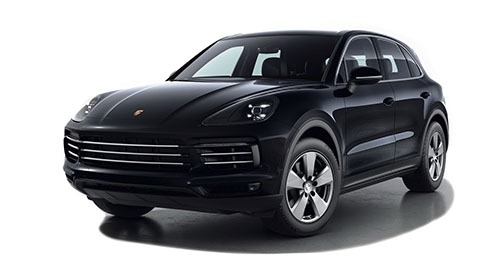 2023 Cayenne
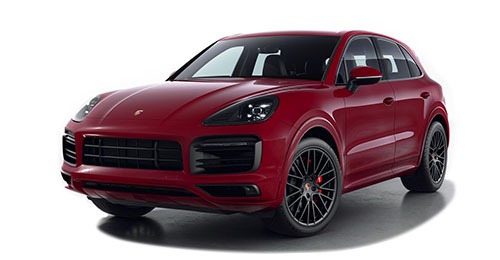 2023 Cayenne GTS
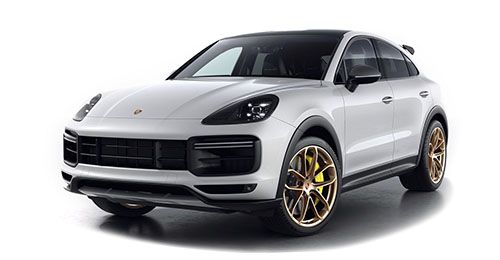 2023 Cayenne Turbo GT
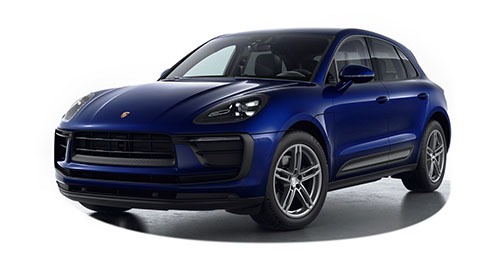 2023 Macan
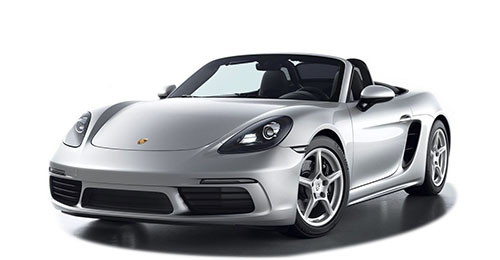 2022 718 Boxster
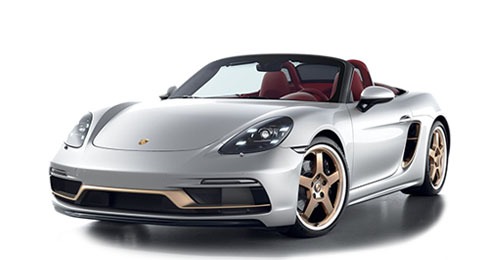 2022 718 Boxster 25 Years
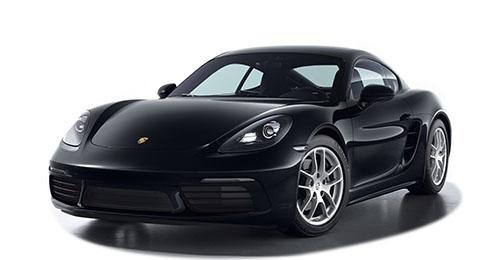 2022 718 Cayman
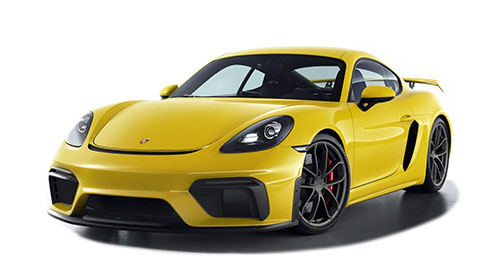 2022 718 Cayman GT4
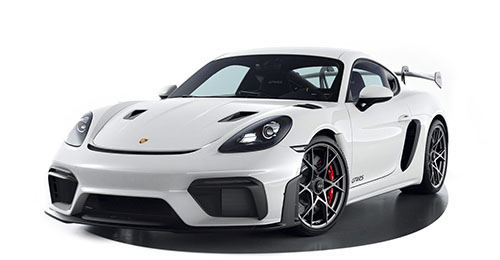 2022 718 Cayman GT4 RS
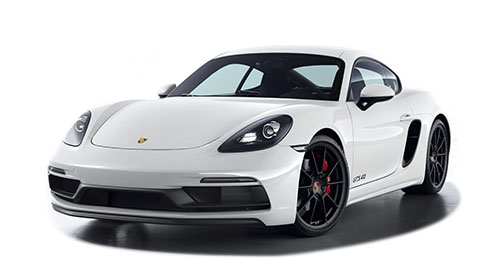 2022 718 GTS 4.0
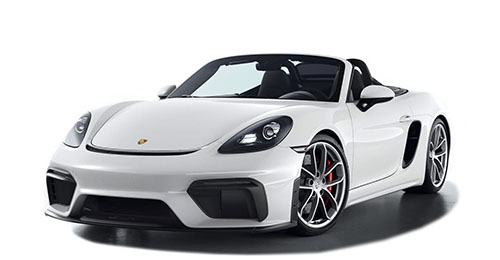 2022 718 Spyder
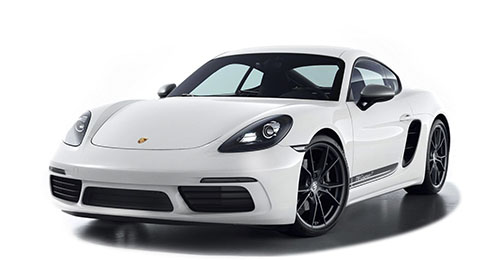 2022 718 T
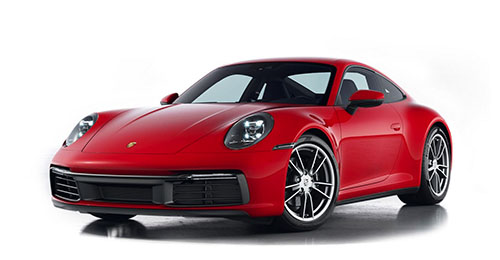 2022 911
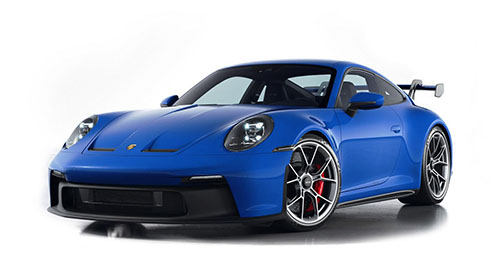 2022 911 GT3
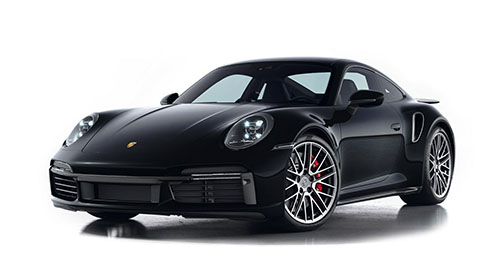 2022 911 Turbo
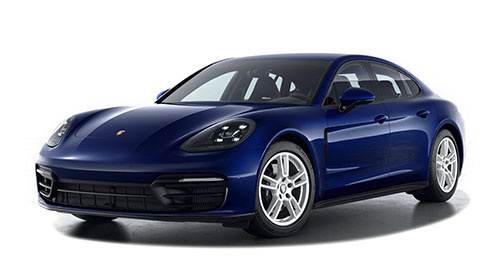 2022 Panamera
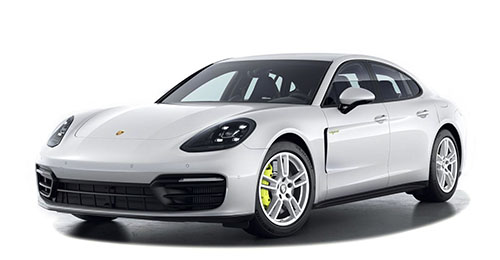 2022 Panamera E-Hybrid
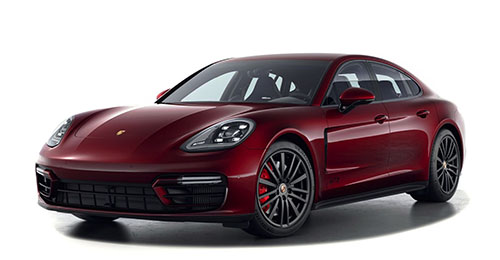 2022 Panamera GTS
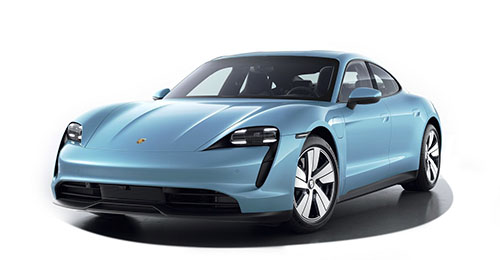 2022 Taycan
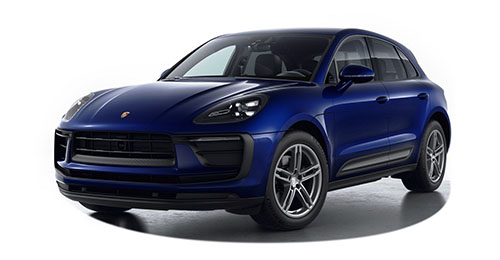 2022 Macan
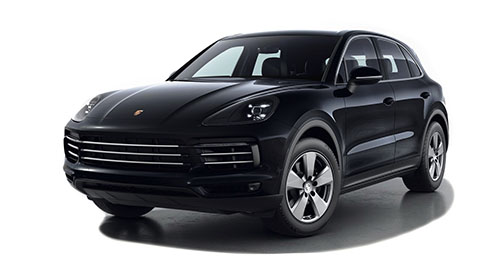 2022 Cayenne
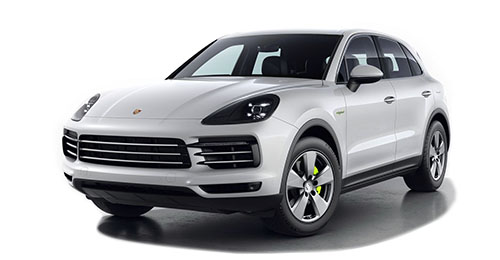 2022 Cayenne E-Hybrid
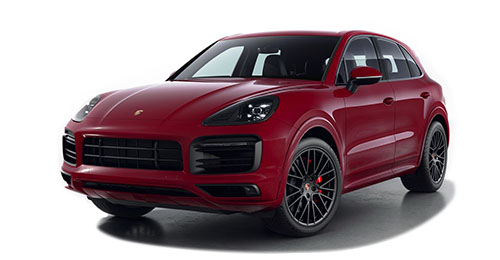 2022 Cayenne GTS
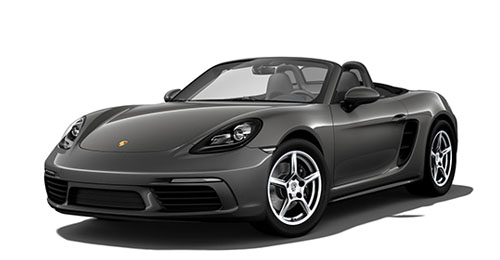 2021 718 Boxster
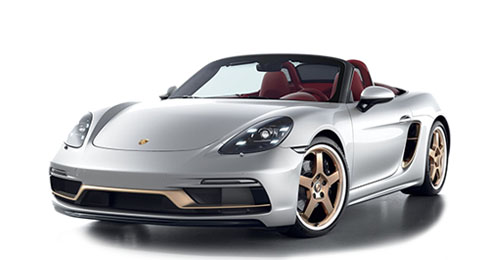 2021 718 Boxster 25 Years
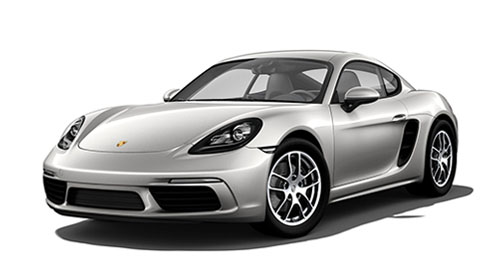 2021 718 Cayman
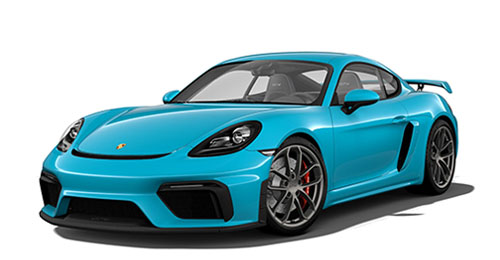 2021 718 Cayman GT4
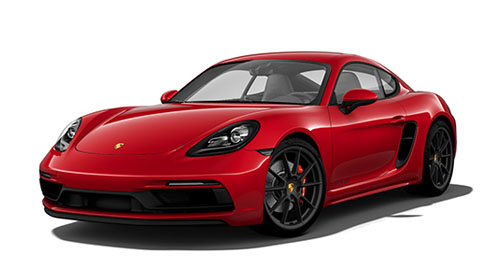 2021 718 GTS 4.0
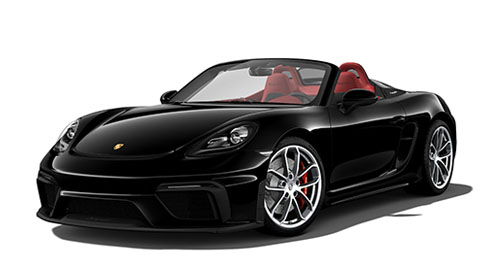 2021 718 Spyder
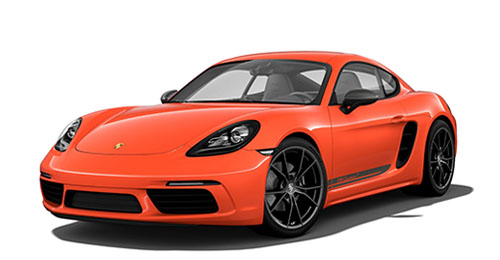 2021 718 T
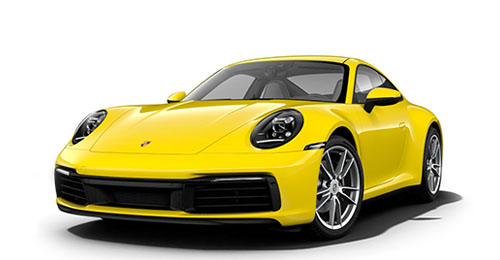 2021 911
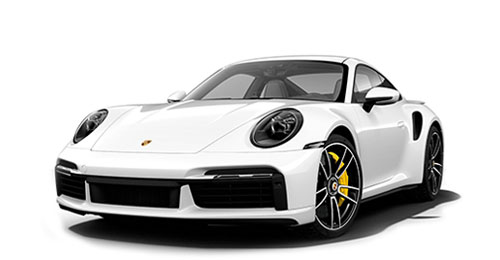 2021 911 Turbo
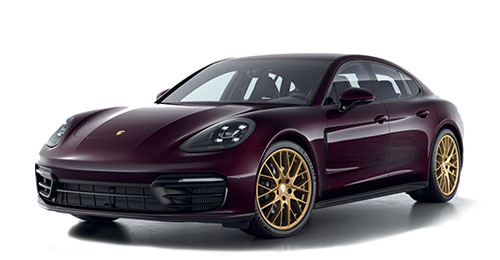 2021 Panamera
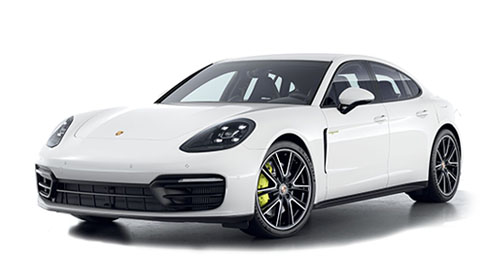 2021 Panamera E-Hybrid
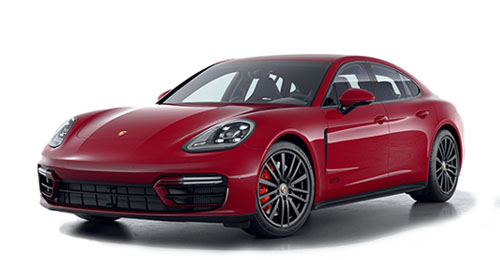 2021 Panamera GTS
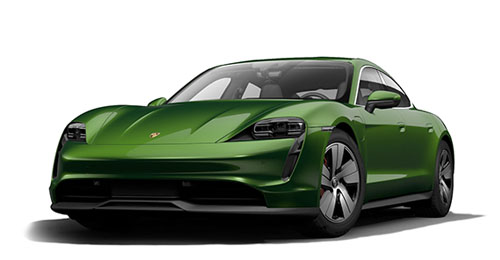 2021 Taycan
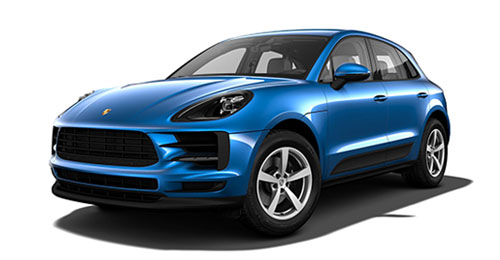 2021 Macan
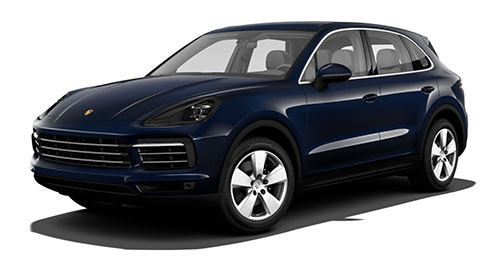 2021 Cayenne
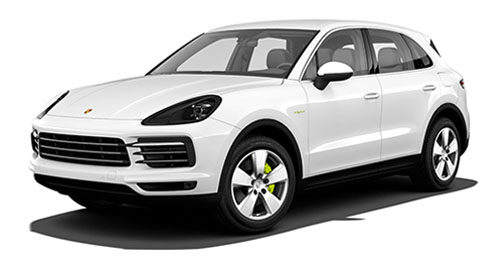 2021 Cayenne E-Hybrid
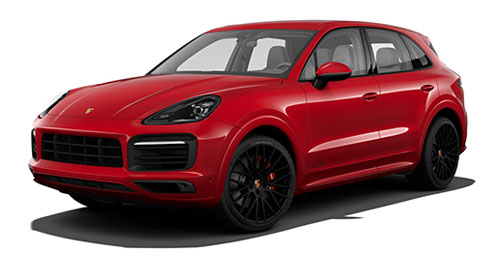 2021 Cayenne GTS
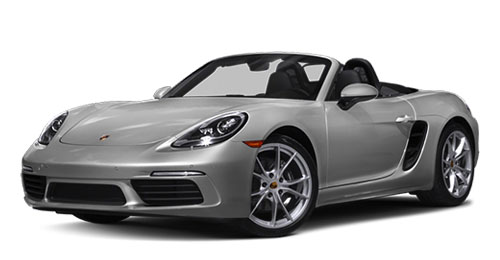 2020 718 Boxster
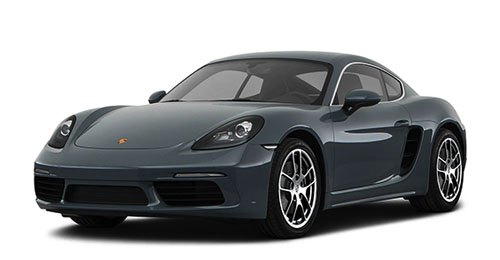 2020 718 Cayman
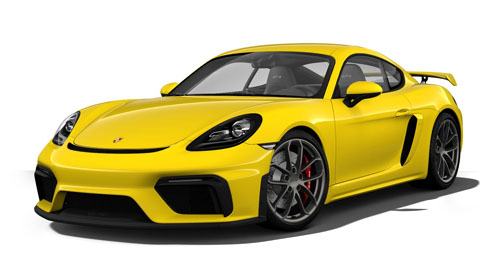 2020 718 Cayman GT4
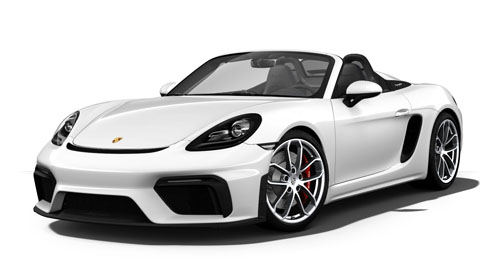 2020 718 Spyder
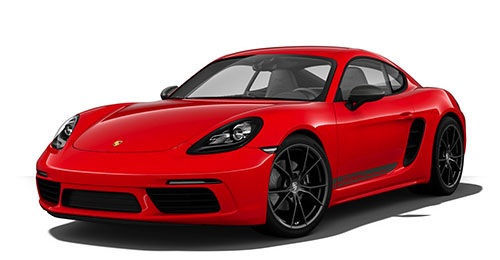 2020 718 T
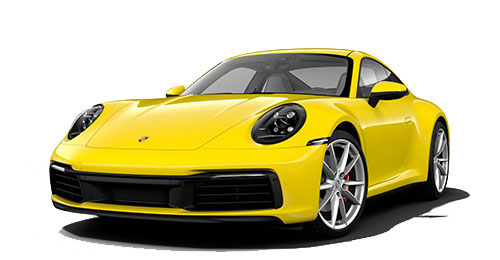 2020 911 Carrera
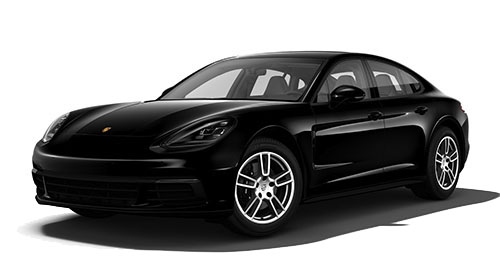 2020 Panamera
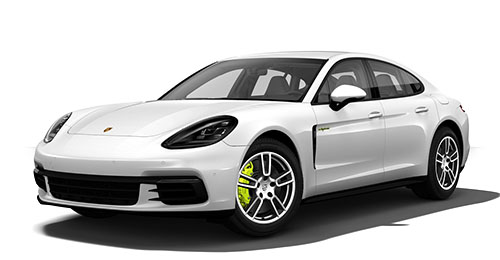 2020 Panamera E-Hybrid
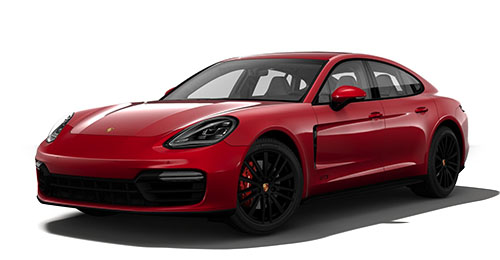 2020 Panamera GTS
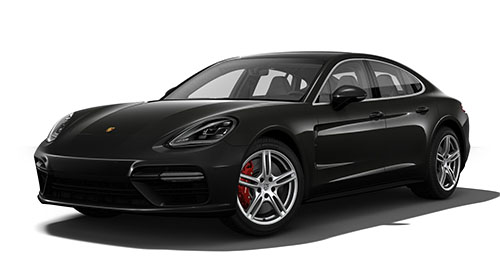 2020 Panamera Turbo
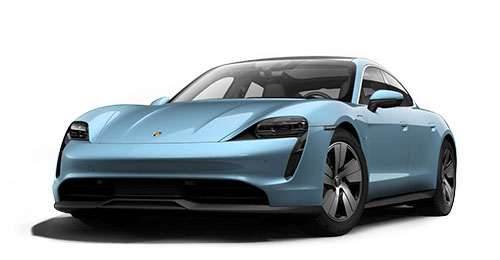 2020 Taycan
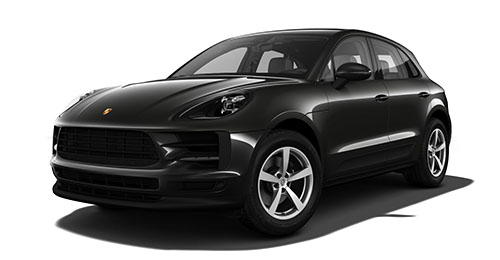 2020 Macan
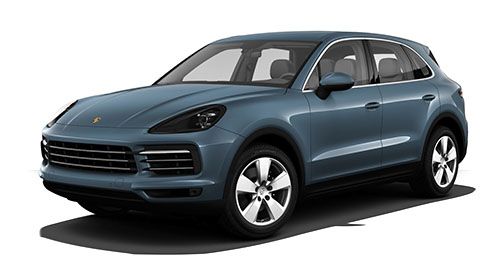 2020 Cayenne
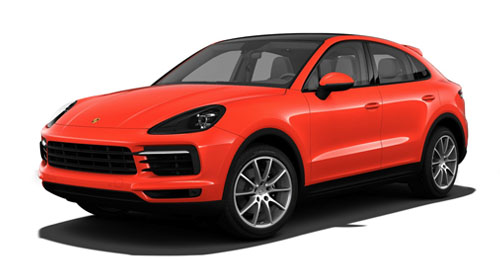 2020 Cayenne Coupe
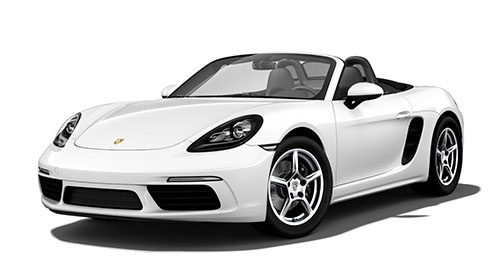 2019 718 Boxster
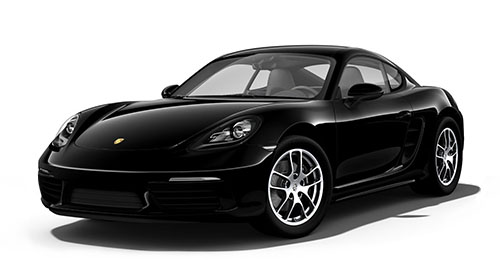 2019 718 Cayman
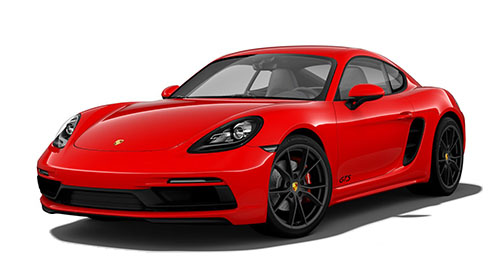 2019 718 GTS
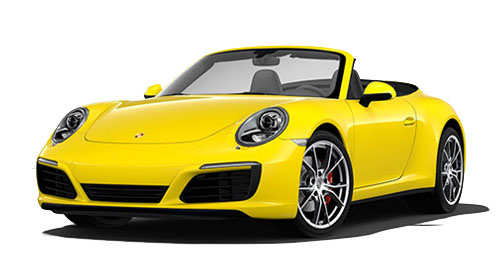 2019 911 Carrera
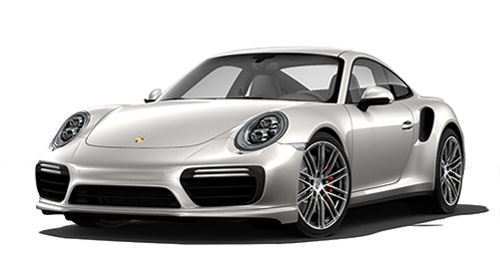 2019 911 Carrera T
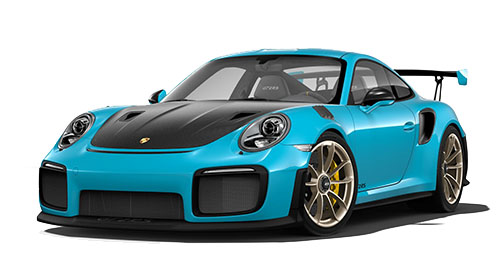 2019 911 GT2 RS
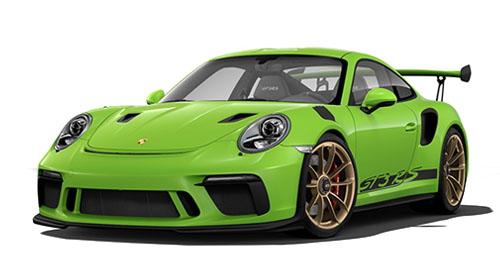 2019 911 GT3
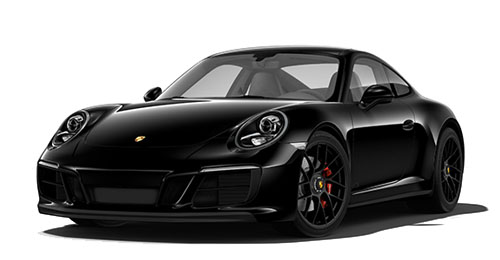 2019 911 GTS
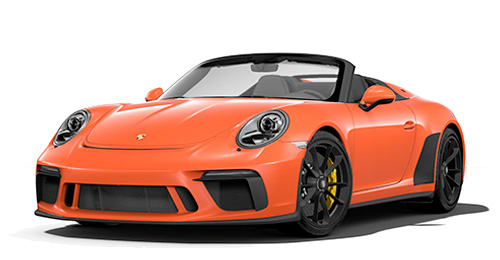 2019 911 Speedster
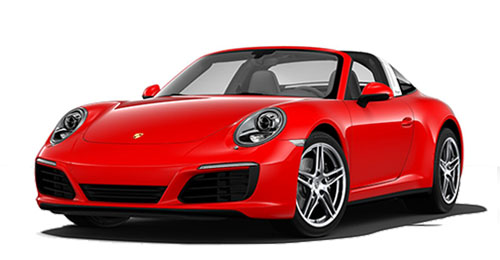 2019 911 Targa 4
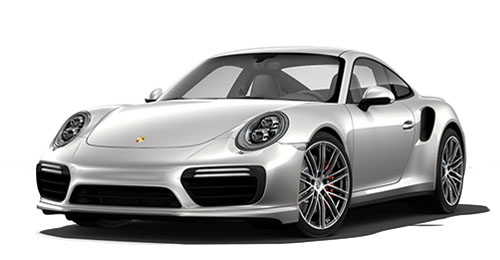 2019 911 Turbo
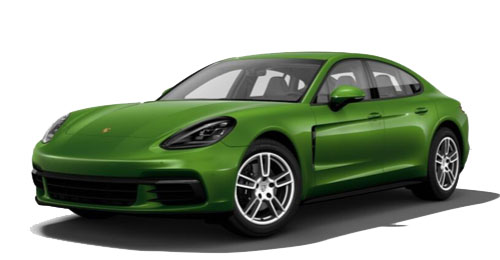 2019 Panamera
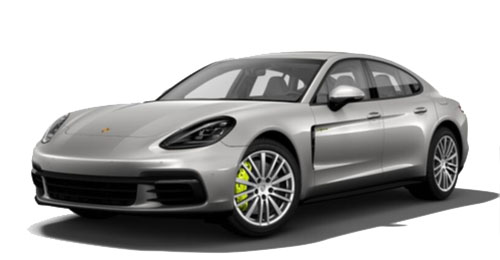 2019 Panamera E-Hybrid
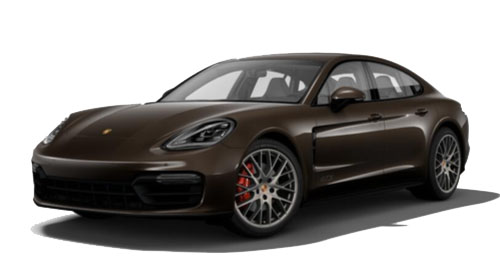 2019 Panamera GTS
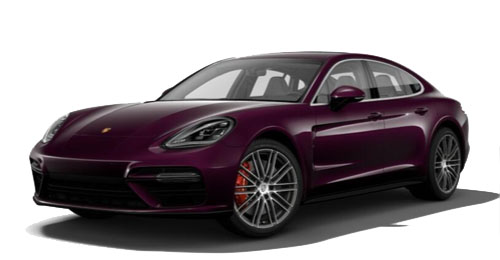 2019 Panamera Turbo
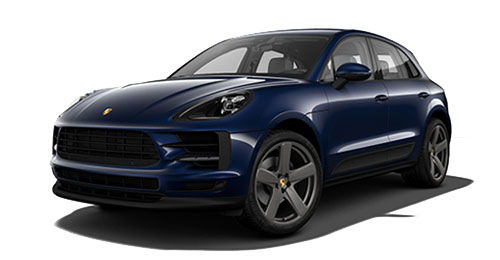 2019 Macan
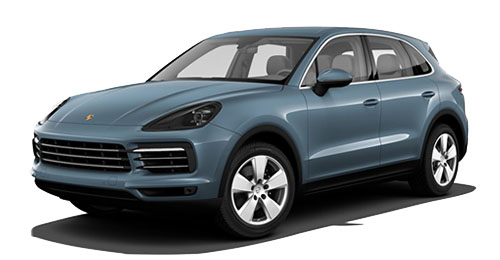 2019 Cayenne
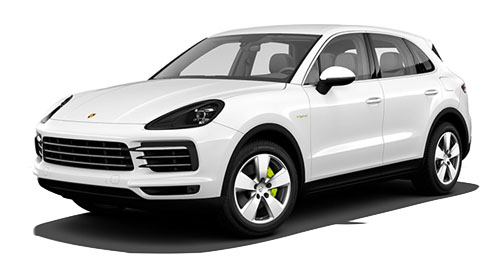 2019 Cayenne E-Hybrid
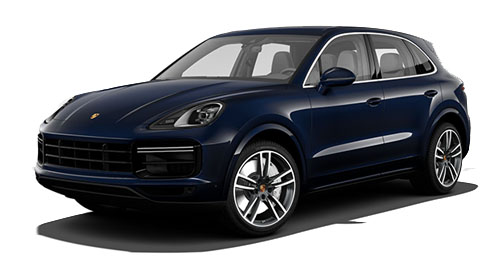 2019 Cayenne Turbo
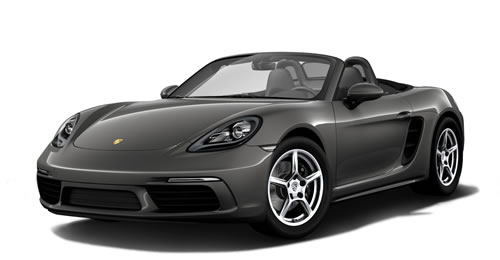 2018 718 Boxster
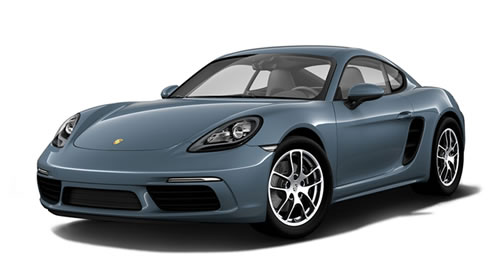 2018 718 Cayman
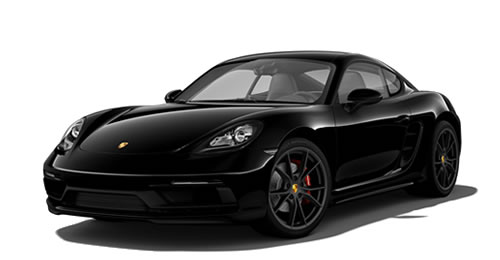 2018 718 GTS
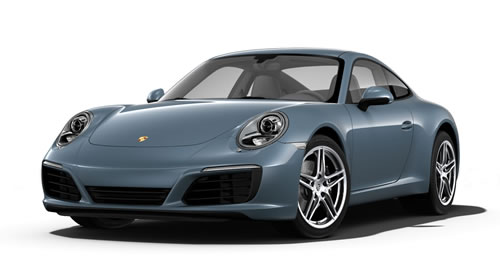 2018 911 Carrera
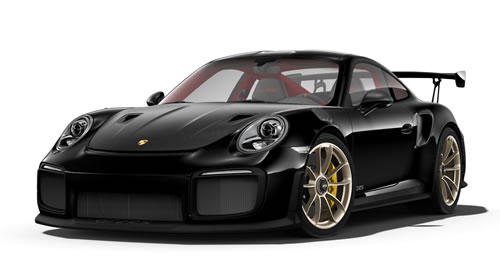 2018 911 GT2 RS
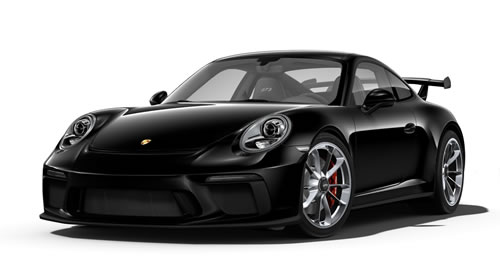 2018 911 GT3
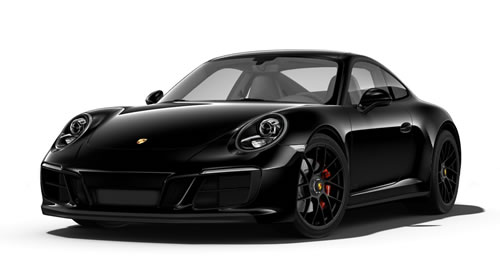 2018 911 GTS
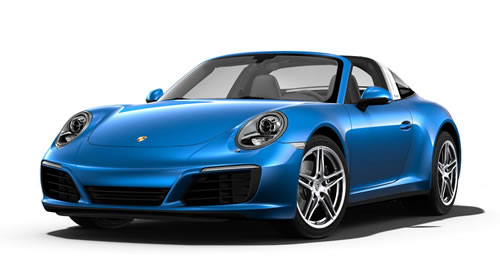 2018 911 Targa 4
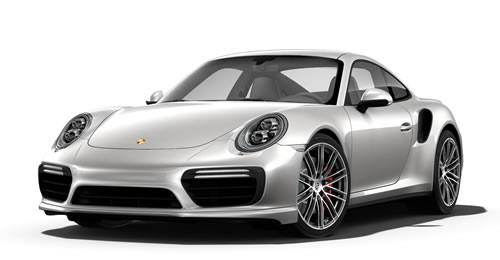 2018 911 Turbo
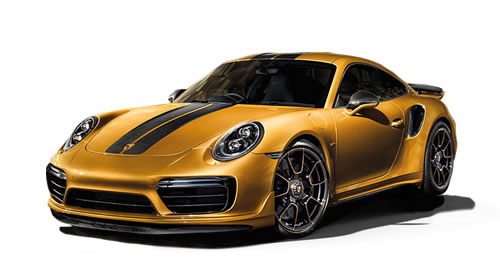 2018 911 Turbo S Exclusive
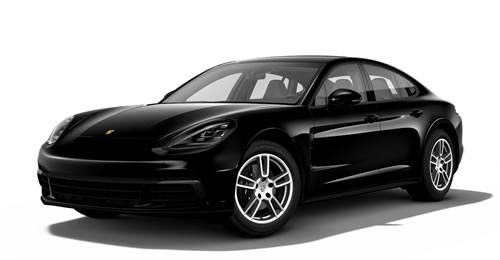 2018 Panamera
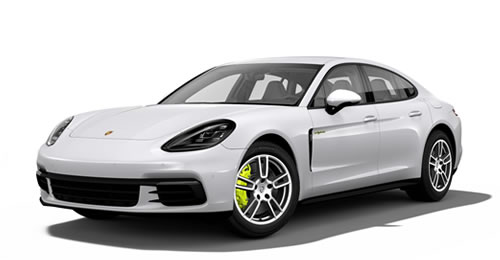 2018 Panamera E-Hybrid
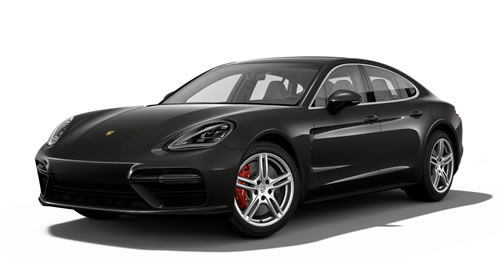 2018 Panamera Turbo
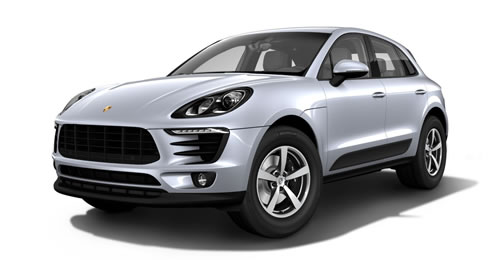 2018 Macan
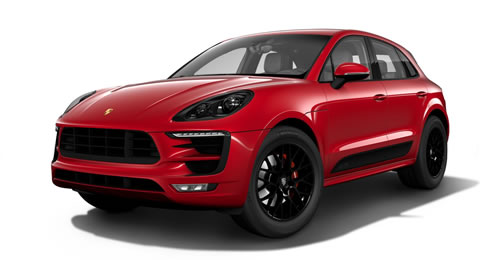 2018 Macan GTS
 2018 Macan Turbo
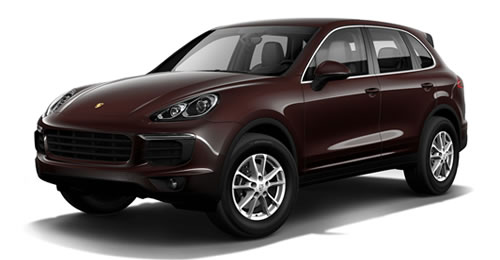 2018 Cayenne
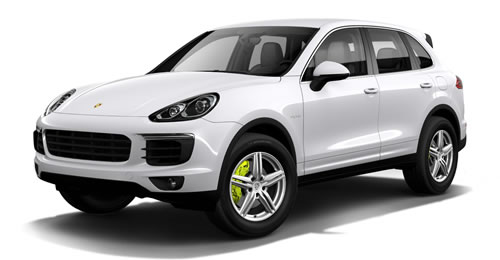 2018 Cayenne E-Hybrid
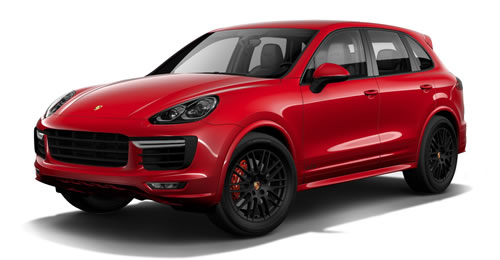 2018 Cayenne GTS
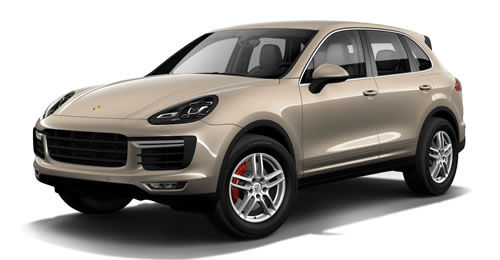 2018 Cayenne Turbo
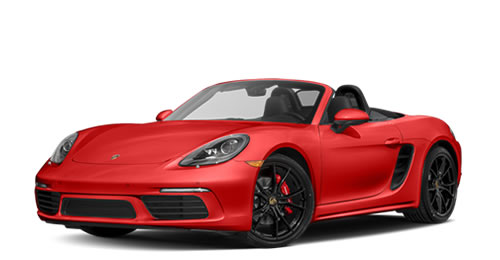 2017 718 Boxster
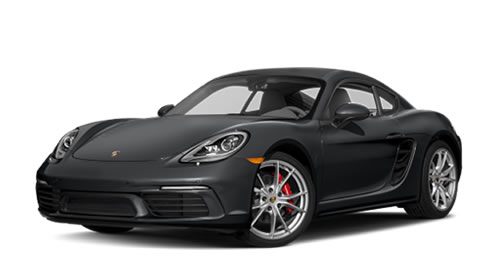 2017 718 Cayman
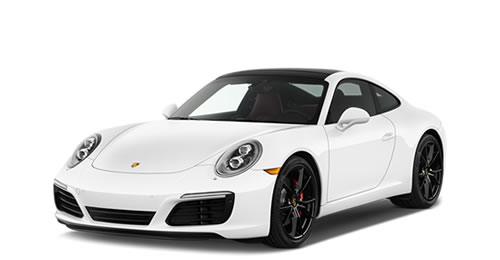 2017 911 Carrera
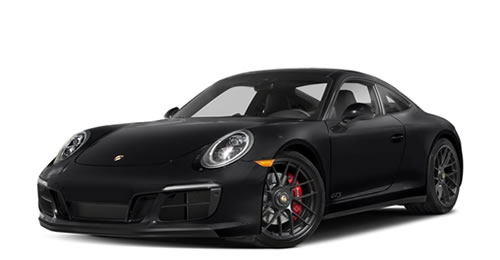 2017 911 GTS
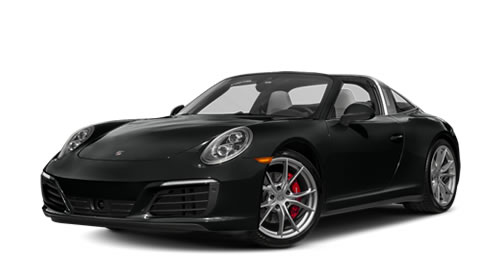 2017 911 Targa
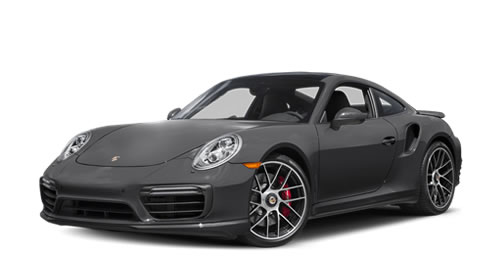 2017 911 Turbo
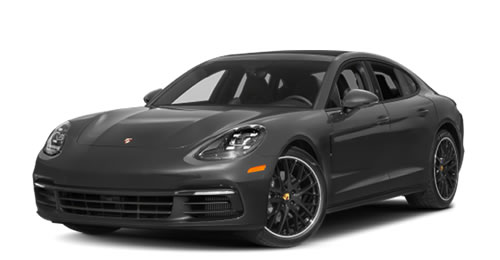 2017 Panamera
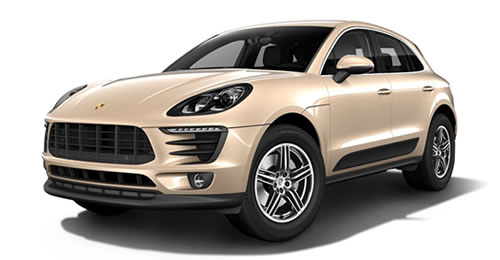 2017 Macan
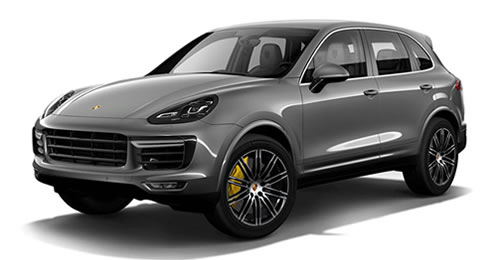 2017 Cayenne
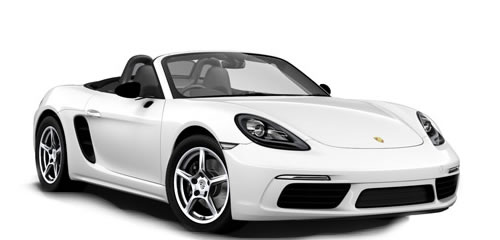 2016 Boxster
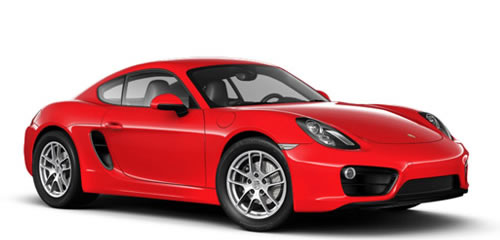 2016 Cayman
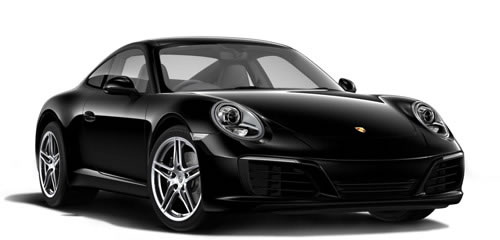 2016 911
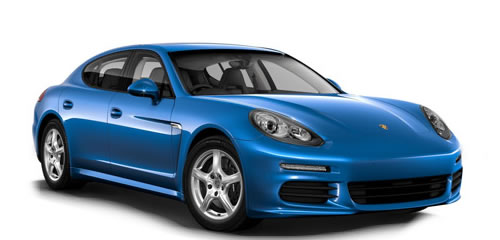 2016 Panamera
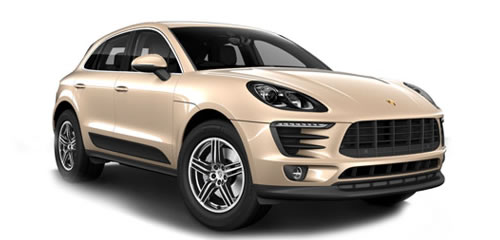 2016 Macan
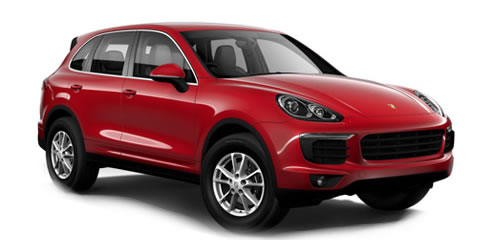 2016 Cayenne
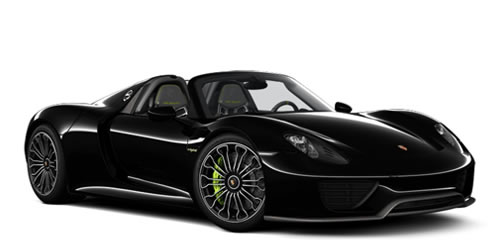 2015 918 Spyder
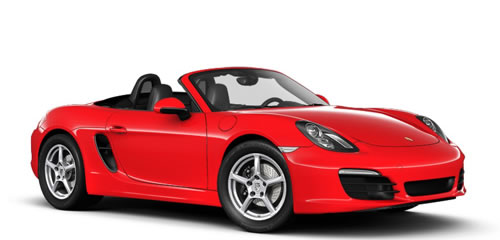 2015 Boxster
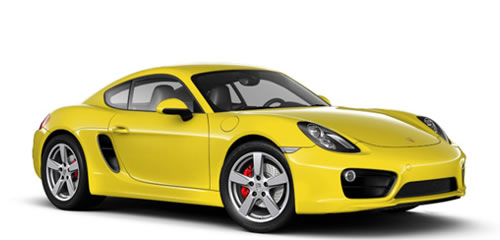 2015 Cayman
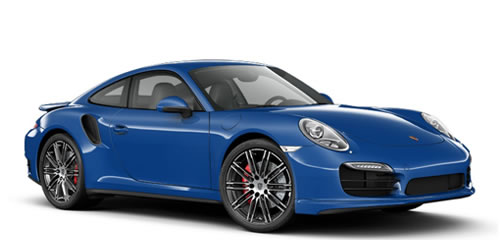 2015 911
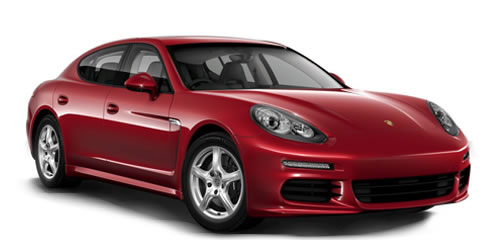 2015 Panamera
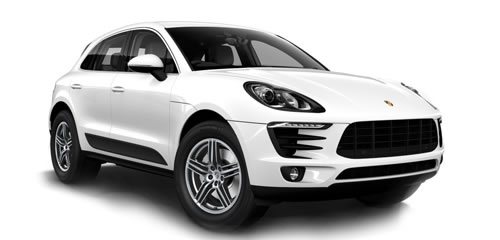 2015 Macan
 2015 Cayenne


Check Out Our Inventory

2015 Porsche 918 Spyder Overview
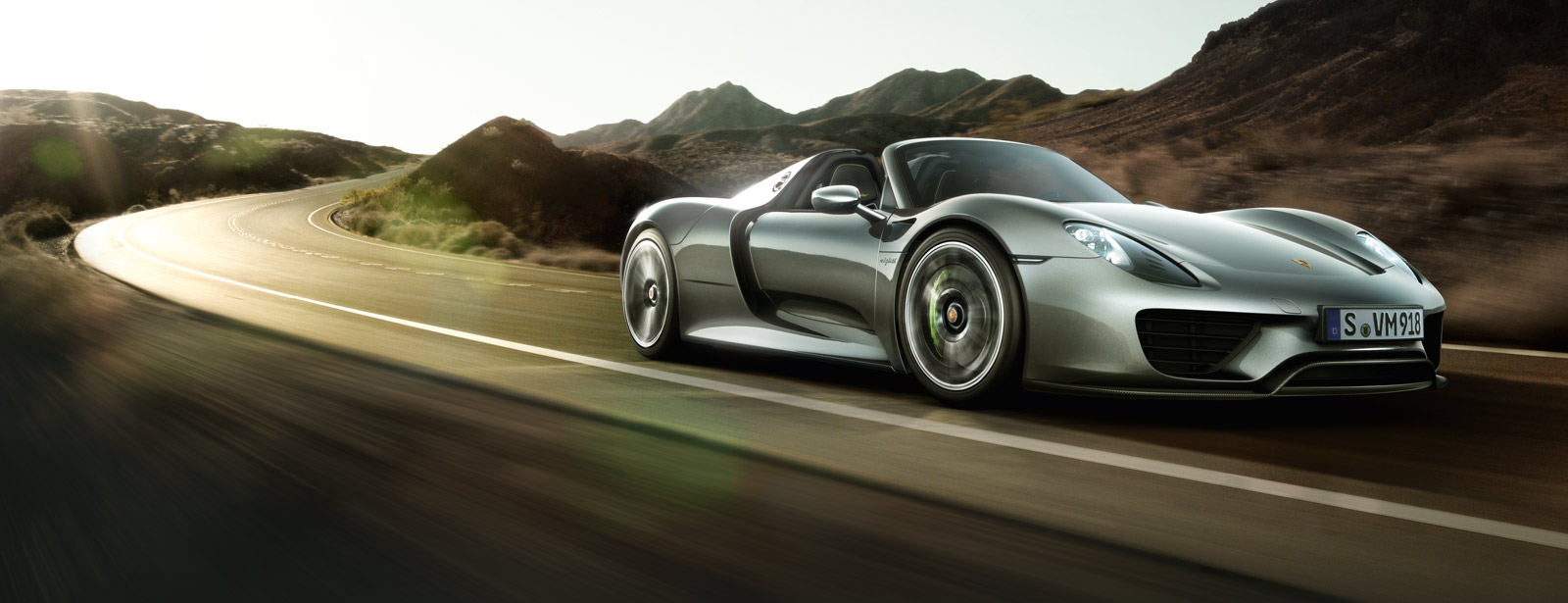
2015 Porsche 918 Spyder in Riverside
-
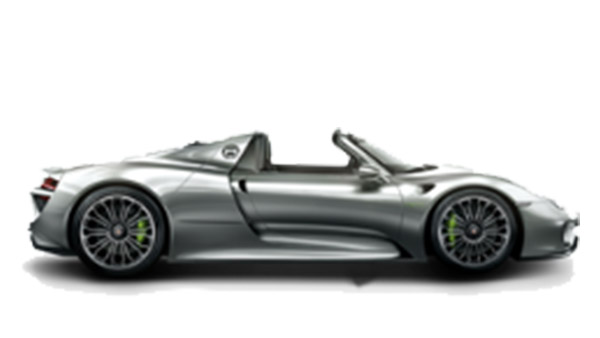
918 Spyder
-
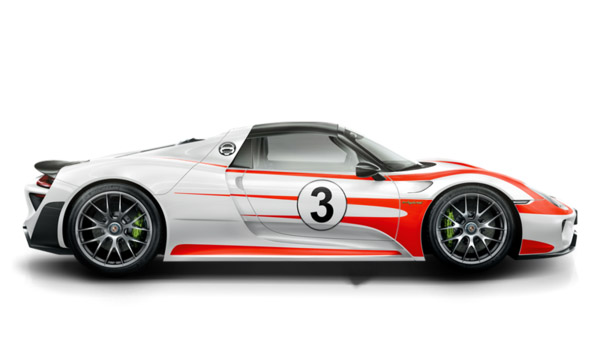
918 Spyder Weissach Package
Porsche 918 Spyder Dealer in Riverside
2015 Porsche 918 Spyder Performance
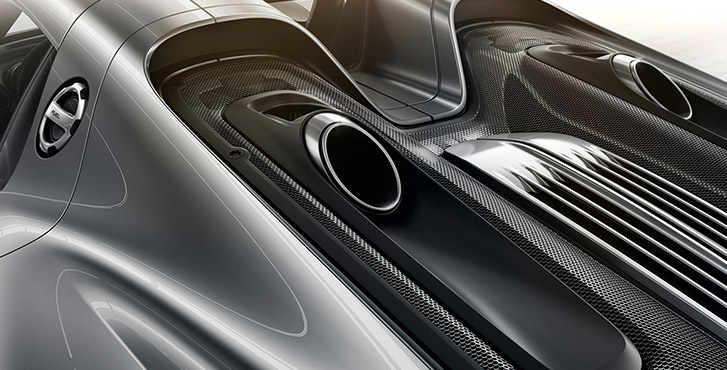
Top Pipes
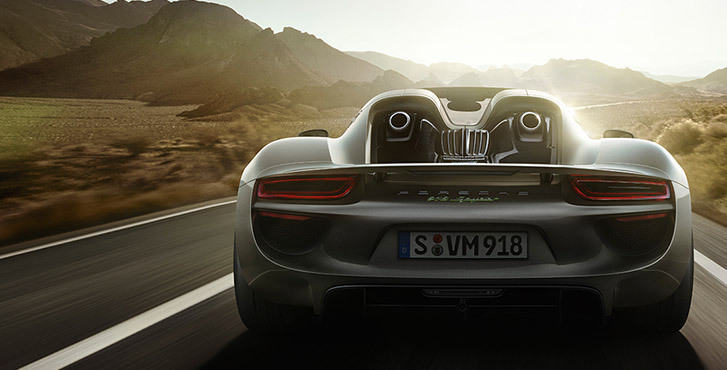
Top pipes are not only new to the road, they are new for Porsche. The concept comes from the racetrack and proves unequivocally where the 918 Spyder feels at home.So they adopted a completely new approach, resulting in a new type of thermodynamic air routing concept that has enabled the use of extremely short exhaust gas channels: the gases are expelled from the car through the top pipes directly above the engine. The associated reduction in exhaust backpressure has a positive impact on power output and fuel economy. The audible effect is heard in the resonant Porsche sound that reveals the motorsport genes of the 918 Spyder.
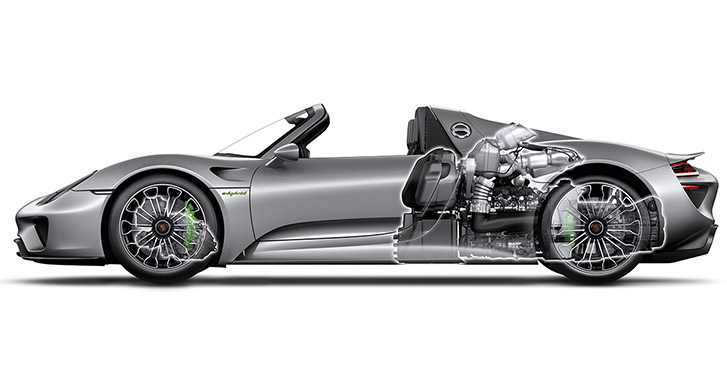
V8 High-Revving Engine
Thanks to a power output of more than 447 kW (608 hp), the high-performance unit attains the level of a racing engine. That’s what we call motorsport DNA. Its low weight of around only 135 kg and its low position provide the optimum prerequisites to extremely dynamic driving performance and ultra precise power delivery – on the racetrack and on the road.
Porsche Doppelkupplung(PDK)
For the refined version of Porsche Doppelkupplung (PDK) shift times and shift programmes have been further optimised. PDK changes gear automatically, but you can still take manual control using the gearshift paddles on the sports steering wheel. Gear changes take place in milliseconds with no interruption in the flow of power. Just like in motorsport.
2015 Porsche 918 Spyder Appearance
LED Lighting
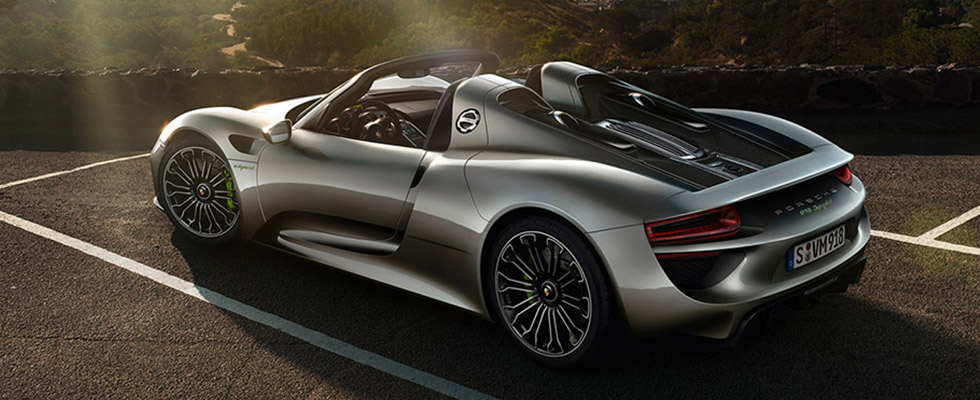
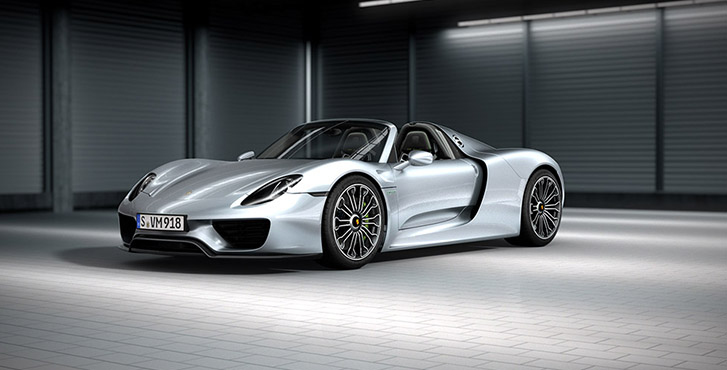
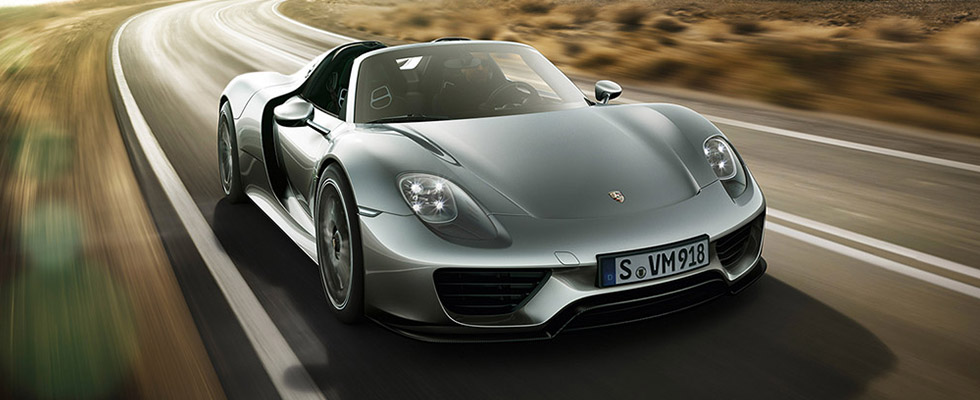
The LED taillights are shaped three-dimensionally. Above them sits the extendable rear wing. Retracted, it reduces air resistance and also enhances the puristic impression that the 918 Spyder creates. Extended, it delivers sportiness and downforce on every level. It is flanked by the vertically aligned LED headlights. Underneath these are two large air intakes, which give the front a resolute appearance and help to provide sufficient cooling.
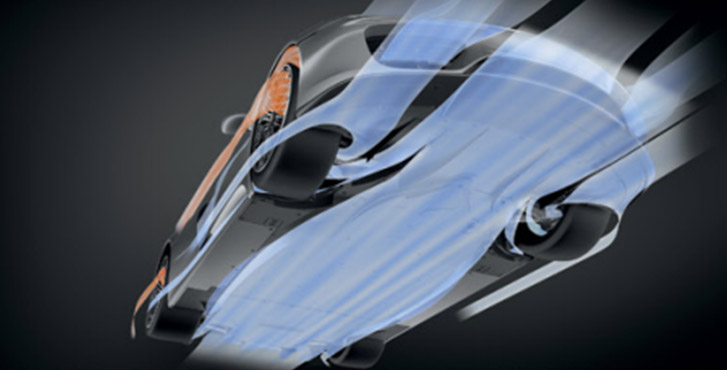
Porsche Active Aerodynamics (PAA)
Low aerodynamic drag and high downforce are essential at high speeds, preferably at the same time. Another contradiction? Not for our engineers. They’ve found the solution with the three-stage extendable rear wing, active diffusers in the front part of the underbody and active cooling air flaps in the front air intakes, which are controlled automatically in line with the operating mode and driving speed. It’s a system that combines low drag with high downforce in the interests of even greater dynamic performance.
2015 Porsche 918 Spyder Comfort
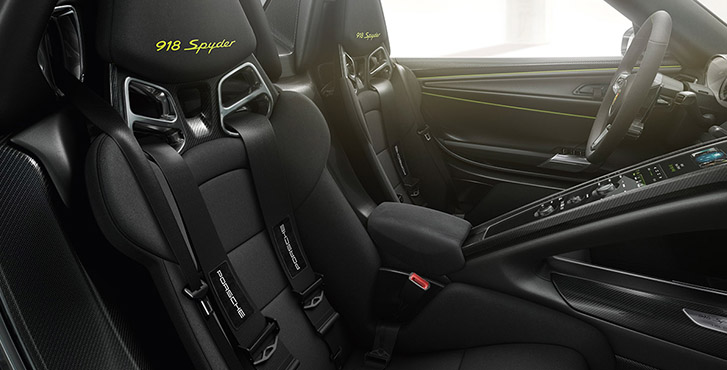
Ergonomics
These specially developed lightweight bucket seats in carbon-fibre reinforced plastic (CFRP) feature electric height adjustment (optional for passenger seat) and offer an extraordinarily low seating position for any super sports car. The contouring of the side bolsters and reinforced shoulder support are especially characteristic and serve a functional purpose. Lightweight bucket seats with firmer padding.
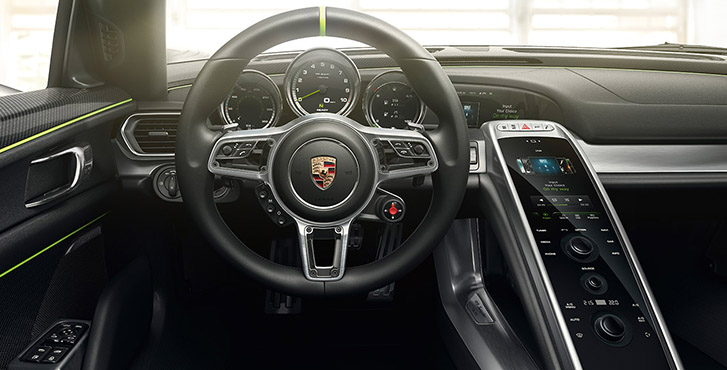
Center Console
A state-of-the-art control concept with smartphone-style touch and gesture recognition, character recognition (including Chinese) and three rotary pushbuttons provide intuitive operation of displays and control functions. Displayed content can be customised to your own preference. Embedded in the exquisite centre console, the touch surfaces enable fast navigation and direct operation of functions relating to comfort and convenience, air conditioning, car settings and Porsche Communication Management (PCM), which is integrated as standard. PCM information is shown in the central 8-inch information display. This is housed in the dashboard behind a panoramic shroud to minimise reflections for optimum readability even on the move.
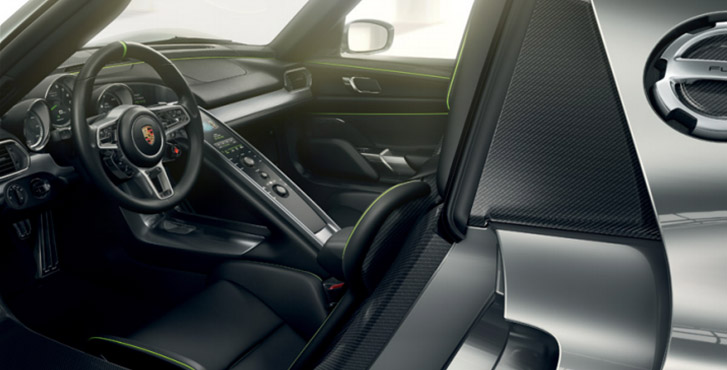
Interior Desgin
The materials are lightweight and exquisite. Not only do they meet requirements for visual style, they all have a structural purpose in the interior. The open center console edged with aluminum divides up the functional areas in the cockpit in a visually clear way. Equally important was the use of carbon, or to be more precise, a carbon-weave finish. It has been used generously in the 918 Spyder not only for weight reasons but because it looks good too. The third primary material used is leather. It is functional, robust and feels good to the touch. Here, it is bordered by narrow piping in a contrasting color.
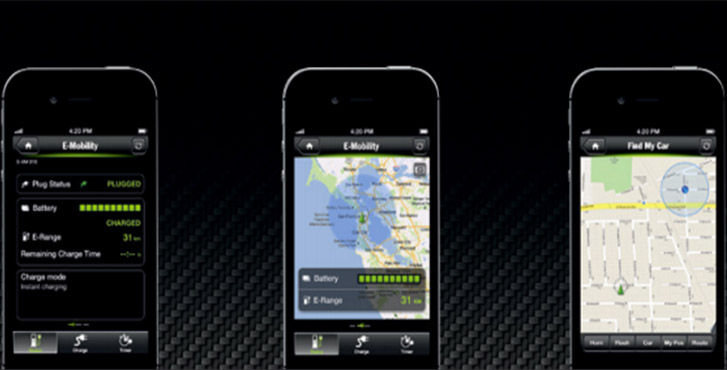
Porsche Car Connect
Porsche Car Connect is a smartphone app that enables you to access various data relating to your car and control certain functions remotely – any time, any place. Carfinder displays the shortest route from your current position to your car’s parked location. For the 918 Spyder, Porsche Car Connect is enhanced with a comprehensive range of e-mobility services tailored specifically to this vehicle concept. Features include an overview of the current battery charge state and available all-electric range as well as the ability to manage the charging process.
2015 Porsche 918 Spyder Safety
New Car Limited Warranty & Porsche 24-Hour Roadside Assistance Program for 4-Years / 50,000 Miles (whichever occurs first)
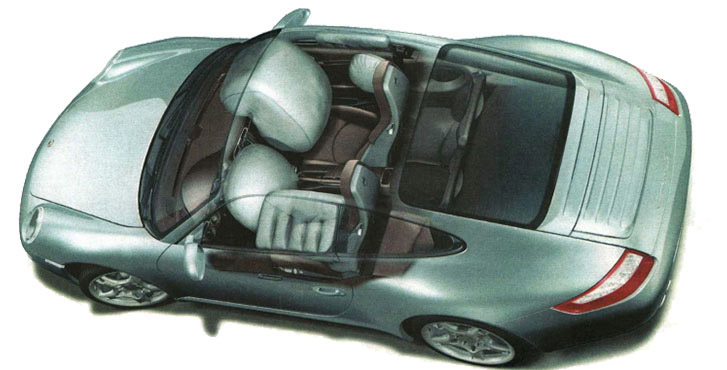
Driver and Passenger Airbags.
The 918 Spyder is equipped with driver and passenger airbags as standard. The two full-size airbags are inflated in two stages, depending on the severity of impact.
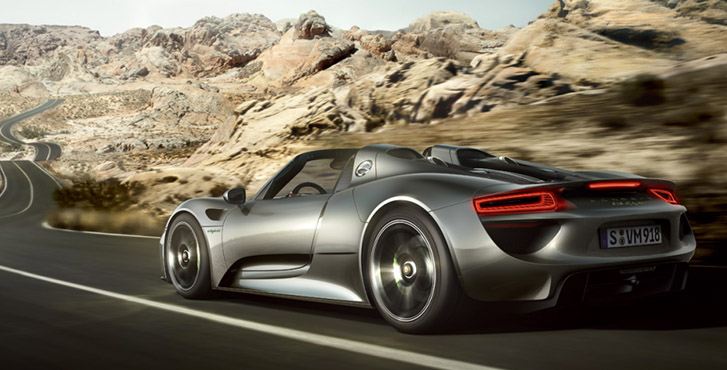
Porsche Side Impact Protection System (POSIP)
Fitted as standard, POSIP comprises side impact protection elements and a head airbag in each door as well as a thorax airbag in both seats. The generous airbag volume offers protection throughout the entire seat adjustment range. Padded elements integrated into the door trims also afford extra protection to occupants. Additional safety features include the headrests which form an integral part of each seat, an energy-absorbing steering column, three-point seat belts with pre-tensioners and force limiters and energy-absorbing elements in the dashboard.
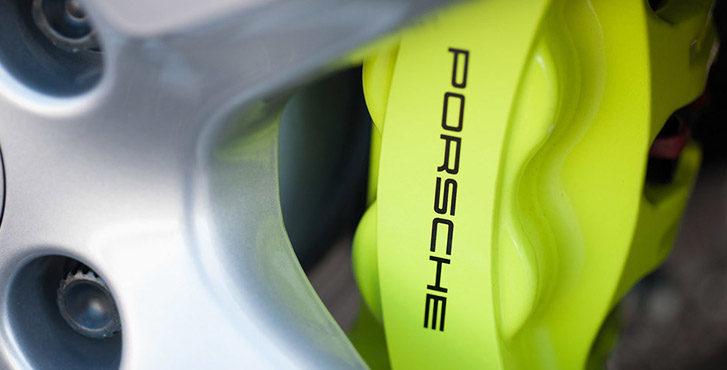
Porsche Ceramic Composite Brake (PCCB)
The six-piston monobloc aluminum fixed brake calipers at the front axle and four-piston units at the rear, all painted in Acid Green, ensure a powerful and, above all, constant braking effect. The key advantage of PCCB is its extremely low weight, with ceramic brake discs that are approximately 50% lighter than standard discs of a similar design. As well as enhancing performance and fuel economy, this represents a major reduction in unsprung and rotating masses.
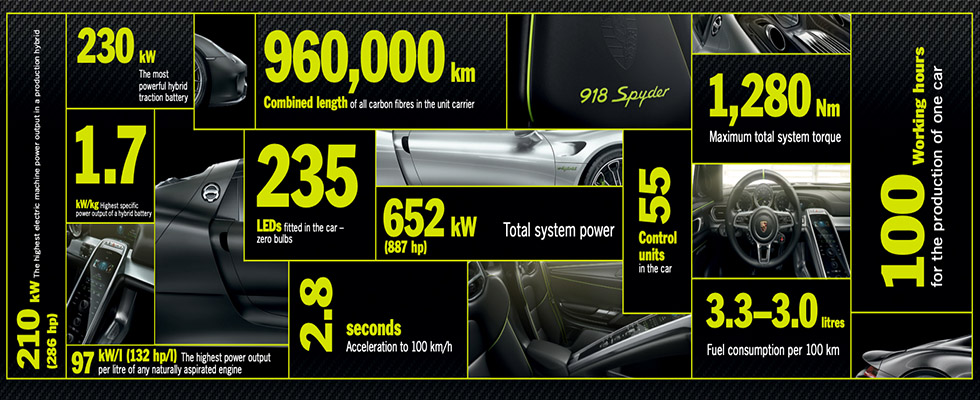
2015 Porsche 918 Spyder Specification
Check Out Our Inventory
Disclaimers
- * For up-to-date pricing and disclaimer information please contact your local dealer.